Rising Hepatitis Risk in Pakistan: PMA Warns on World Liver Day
Pakistan Medical Association has warned of a rising hepatitis risk across the country. The alert came on World Liver Day. Experts say liver disease is spreading fast and needs urgent attention.
Growing burden of liver disease
The association said millions remain undiagnosed despite increasing infections. Liver disease often develops silently and shows symptoms late. Therefore, early detection is very important for saving lives.
Dr Abdul Ghafoor Shoro shared alarming figures about the crisis. Around 13.8 to 15 million people live with Hepatitis B or C. In addition, nearly 9.8 to 10 million cases involve Hepatitis C alone.
Provincial surveys show infection rates between 7.7 and 9 percent in some areas. About 3.8 to 4 million people live with chronic Hepatitis B. As a result, the healthcare system faces growing pressure.
Prevention and lifestyle changes
Experts stressed that simple habits can reduce the rising hepatitis risk. For example, people should avoid oily and processed foods. Regular exercise can also help reduce liver fat and improve health.
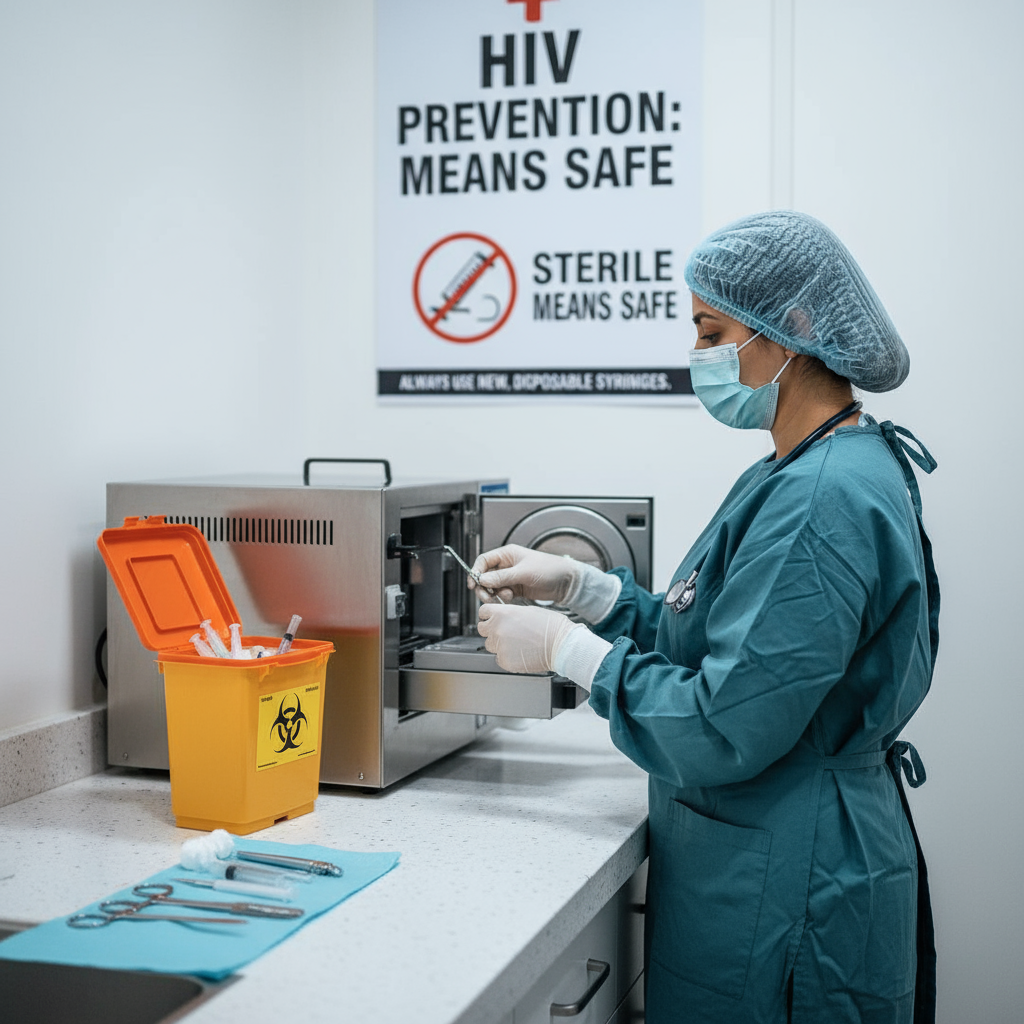
Doctors advised safe medical practices at all levels. Using sterilized equipment and screened blood is essential. However, self-medication should be avoided as it may damage the liver.
Routine check-ups and vaccination remain key preventive tools. These steps can help detect disease early and stop complications. In addition, awareness can guide people toward better choices.
Call for stronger healthcare action
PMA urged the government to improve healthcare access nationwide. Better screening and diagnostic facilities can close current gaps. Therefore, more investment in primary care is needed.
The association also called for nationwide awareness campaigns. Screening camps can help people learn about liver health. As a result, early diagnosis rates may improve.
Experts believe joint efforts can control the rising hepatitis risk. Communities, doctors, and policymakers must work together. This approach can lead to healthier outcomes for everyone.