Rooftop Solar Demand Shift Looms in Pakistan Next Year
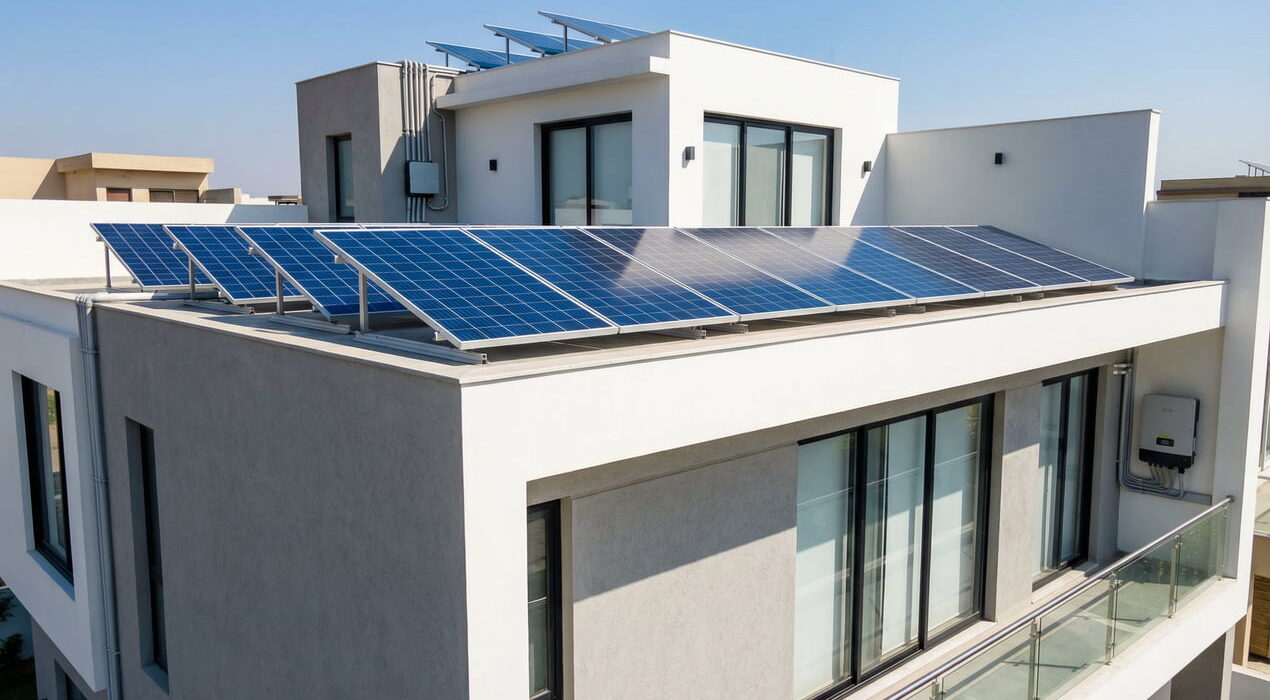
Pakistan will see a major change in daytime energy use next year. According to the climate ministry, rooftop solar demand may exceed grid needs in several industrial hubs. This shift shows how fast solar adoption is accelerating across the country.
Aisha Moriani from the climate ministry shared the update at the COP30 climate summit in Brazil. She said solar installations continue to grow at a record pace. As a result, some areas will depend far less on grid electricity during sunny hours.
However, this rapid growth also creates challenges. Many households and industries enjoy lower bills. Utilities, however, face financial pressure because grid demand keeps falling.
Regions to Watch
Lahore is likely to see the biggest shift. The city already has one of the highest levels of rooftop installations. Faisalabad and Sialkot may follow, as their industrial zones invest heavily in solar systems.
These regions could experience “negative demand” during bright afternoons. This happens when behind the meter solar covers local needs completely. Therefore, grid operators expect more hours when supply exceeds use.
Countries in Europe and Australia have seen similar trends. However, Pakistan is among the first emerging markets to reach this scale. The change highlights how energy habits are evolving, especially as power cuts and tariff hikes push people toward solar.
In addition, Pakistan has become the world’s third largest importer of solar panels. This growth has helped the country reduce emissions and cut dependency on costly fuels.
Experts expect more negative demand events in the coming summers. Long daylight hours and high output will increase the gap between solar generation and grid consumption. Industrial holidays and mild temperatures will also add to the trend.
As a result, policymakers must rethink how to stabilize the grid and manage future investments. The shift brings opportunities for cleaner power, but it also requires smarter planning.