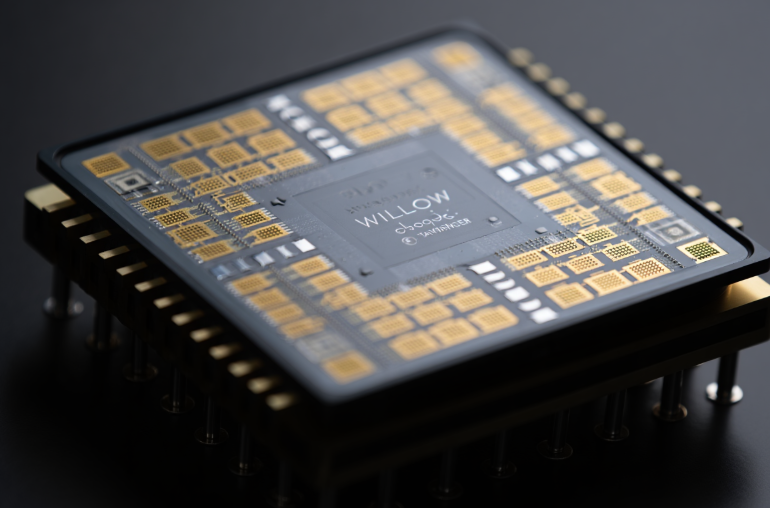
The U.S. government has introduced stricter export controls that will impact South Korea’s leading memory chipmakers, Samsung Electronics and SK Hynix, by requiring new approvals for shipping advanced chip-making tools to China. The decision eliminates the special licenses these companies previously relied on to maintain and expand their Chinese facilities.
The policy, set to take effect in 120 days, aims to curb China’s access to cutting-edge semiconductor technology, but it also places significant operational challenges on Samsung and SK Hynix. Both companies depend heavily on Chinese production capacity for memory chips, with estimates suggesting that up to 40% of SK Hynix’s and about one-third of Samsung’s output comes from plants in China.
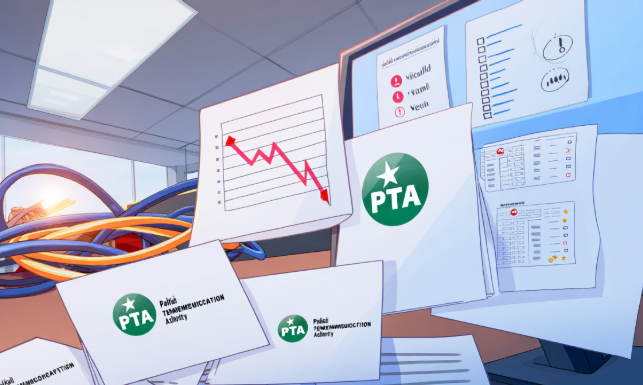
The announcement triggered a decline in share prices, with Samsung falling 2.3% and SK Hynix losing 4.4%, making them among the worst performers on the KOSPI index. Analysts believe the changes will make factory upgrades more complicated and could result in delays to planned technology transitions at their China-based fabs.
While current operations can continue for the time being, future investments and capacity expansions will require separate authorizations from U.S. authorities. This could lead both companies to accelerate plans to move more advanced manufacturing out of China and concentrate new investments in South Korea or other strategic locations.
The revised regulations highlight the growing geopolitical risk within the global semiconductor supply chain and underscore the need for diversification to mitigate potential disruptions in the future.