Scientists Build Computer Using Living Human Brain Cells
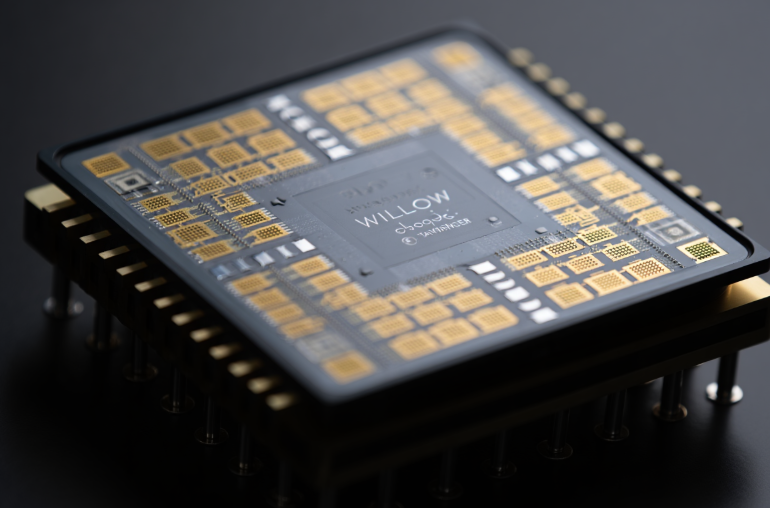
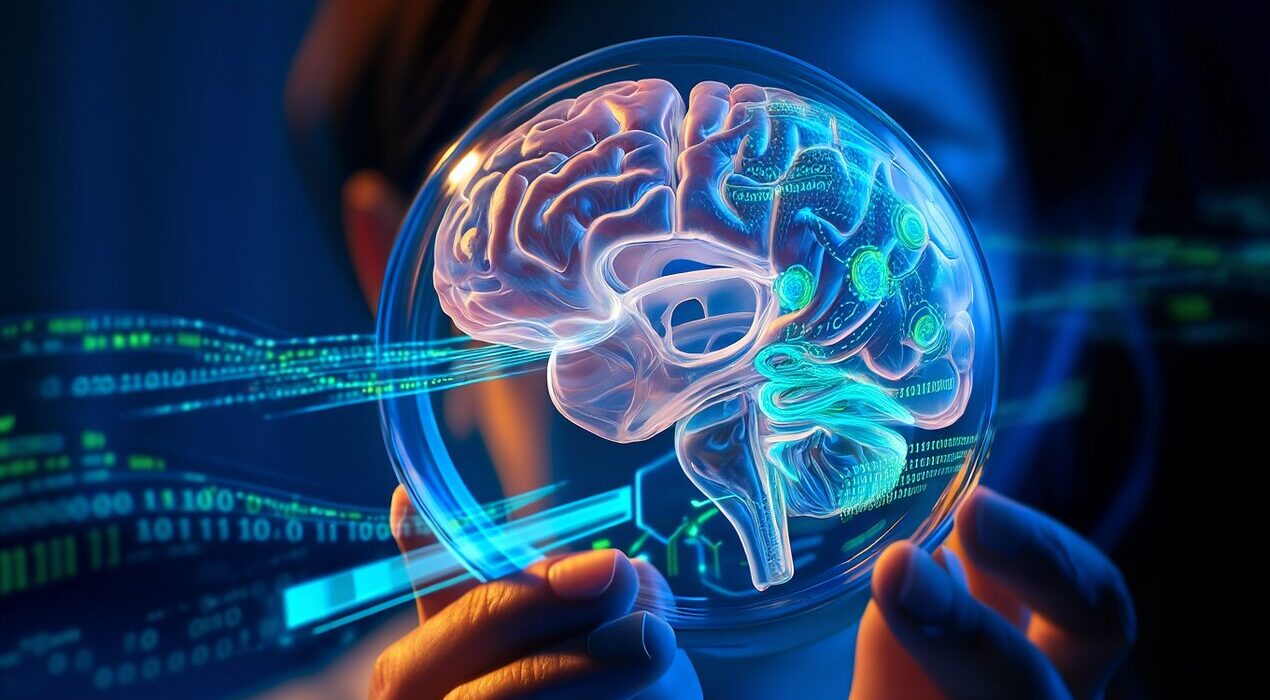
Researchers have developed a new type of computer powered by living human brain cells. Scientists grow these neurons in laboratories and connect them to electronic chips. As a result, the system can process information and adapt through real biological learning. This breakthrough combines neuroscience and computing. Teams at universities and companies like Cortical Labs lead the research. Their goal is to merge living neurons with silicon hardware to create energy-efficient systems.
Early experiments show promising results. These biological systems can learn simple tasks faster than some traditional AI models. In addition, they use far less energy. Therefore, researchers see them as a potential solution to the rising power demands of artificial intelligence.
How Living Neurons Power a New Type of Computer
Scientists grow human neurons from stem cells in controlled lab environments. They then place these cells onto microelectrode arrays. These arrays allow the neurons to send and receive electrical signals. Because neurons naturally rewire themselves, they adapt quickly. This process is known as neuroplasticity. As a result, the biological computer can improve performance through real learning instead of programmed updates.
Unlike traditional AI, which relies on massive datasets and powerful servers, these systems learn more organically. For example, neurons strengthen connections when exposed to repeated patterns. This makes them highly efficient. However, researchers stress an important point. These systems are not conscious. They cannot think, feel, or experience awareness. Instead, they function as biological processors responding to electrical input.
Why Biological Computing Matters for the Future
Today’s AI systems require enormous computing power and energy. Data centers consume vast amounts of electricity. Therefore, scientists are searching for alternatives. Biological computing offers a different path. Living neurons consume minimal energy while performing complex pattern recognition. In addition, they may help researchers better understand how human learning works.
Experts believe this technology could help test medicines and study neurological diseases. It may also lead to new forms of low-power computing hardware. However, the field remains in its early stages. Researchers continue to refine stability, scalability, and ethical oversight. As studies progress, biological computers could become valuable tools for both science and technology.
This innovation does not replace artificial intelligence. Instead, it introduces a new category of computing inspired directly by the human brain.