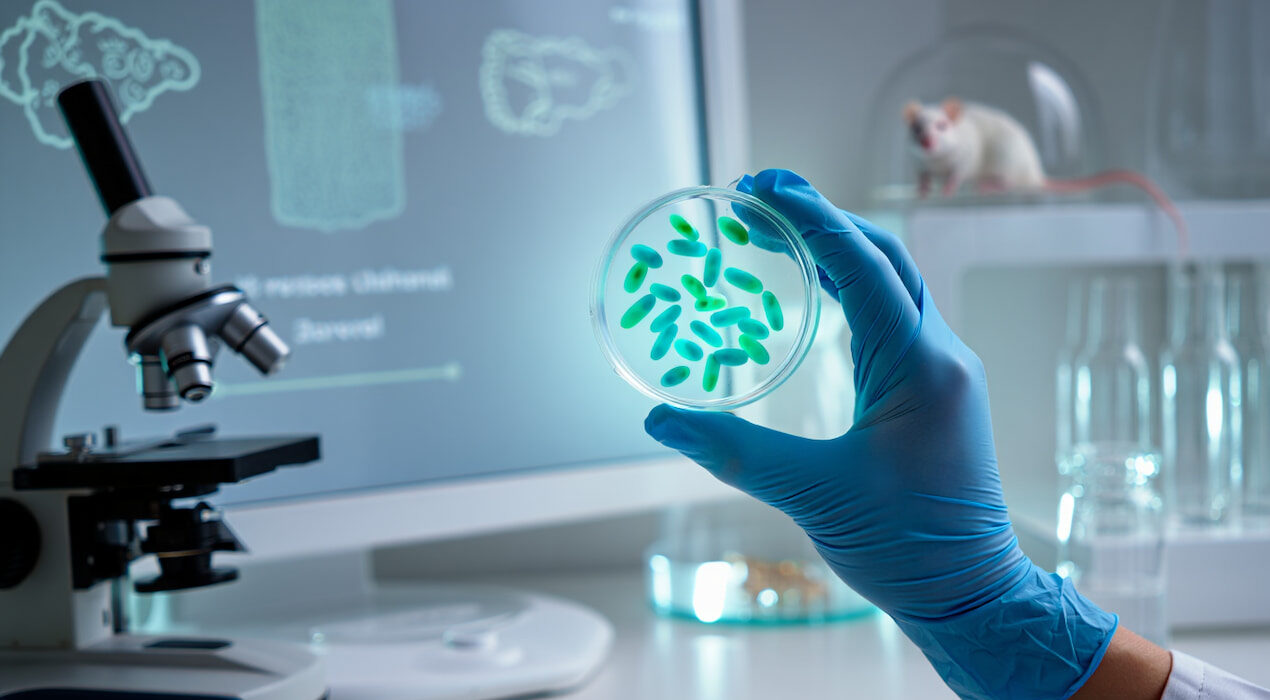
Scientists Create Insulin Producing Cells That Reverse Diabetes in Mice
Scientists at Karolinska Instituted and KTH Royal Institute of Technology have developed a new way to create insulin-producing cells from human stem cells. These lab-grown cells successfully restored blood sugar control in diabetic mice. The findings suggest a potential path toward better treatments for Type 1 diabetes. This condition occurs when the immune system destroys insulin producing cells in the pancreas. As a result, the body cannot regulate blood sugar properly.
More reliable and functional insulin cells
The researchers created a refined method to produce insulin cells that are more consistent and mature. Earlier approaches often produced mixed or underdeveloped cells. However, this new technique improves both quality and performance. In lab tests, the cells responded strongly to glucose. They released insulin in a controlled and effective way. Therefore, they behaved more like natural pancreatic cells.
Reversing diabetes in mice
When transplanted into diabetic mice, the cells helped restore normal blood sugar levels. The animals gradually regained control over glucose levels. Researchers monitored the cells over time and found they continued to function for months. In addition, the cells matured further after transplantation. This shows strong potential for long-term effectiveness.
Solving earlier challenges
Previous stem cell treatments faced key issues. These included unwanted cell types and poor glucose response. The new method addresses these problems by allowing cells to form structured clusters naturally. As a result, the final cells are more uniform and function better.
While the results are promising, this research is still in early stages. Human trials are needed before any clinical use. However, the breakthrough could lead to patient-specific therapies. These treatments may reduce immune rejection and improve outcomes. Overall, this development marks an important step toward a potential cure for Type 1 diabetes. It highlights how stem cell technology continues to advance modern medicine.