Scientists Develop Dynamic Molecules to Repair Cartilage Damage Naturally
Cartilage damage remains one of the hardest injuries to heal. Unlike skin or muscle, cartilage lacks blood vessels. Therefore, nutrients reach the tissue very slowly.
As a result, healing often stays incomplete. Many people live with long-term pain and limited movement. This challenge affects athletes, older adults, and people with arthritis.
Now, scientists have developed a promising new approach. They use dynamic molecules to activate repair signals inside joint tissue. This discovery could change how doctors treat cartilage damage.
How Dynamic Molecules Trigger Healing
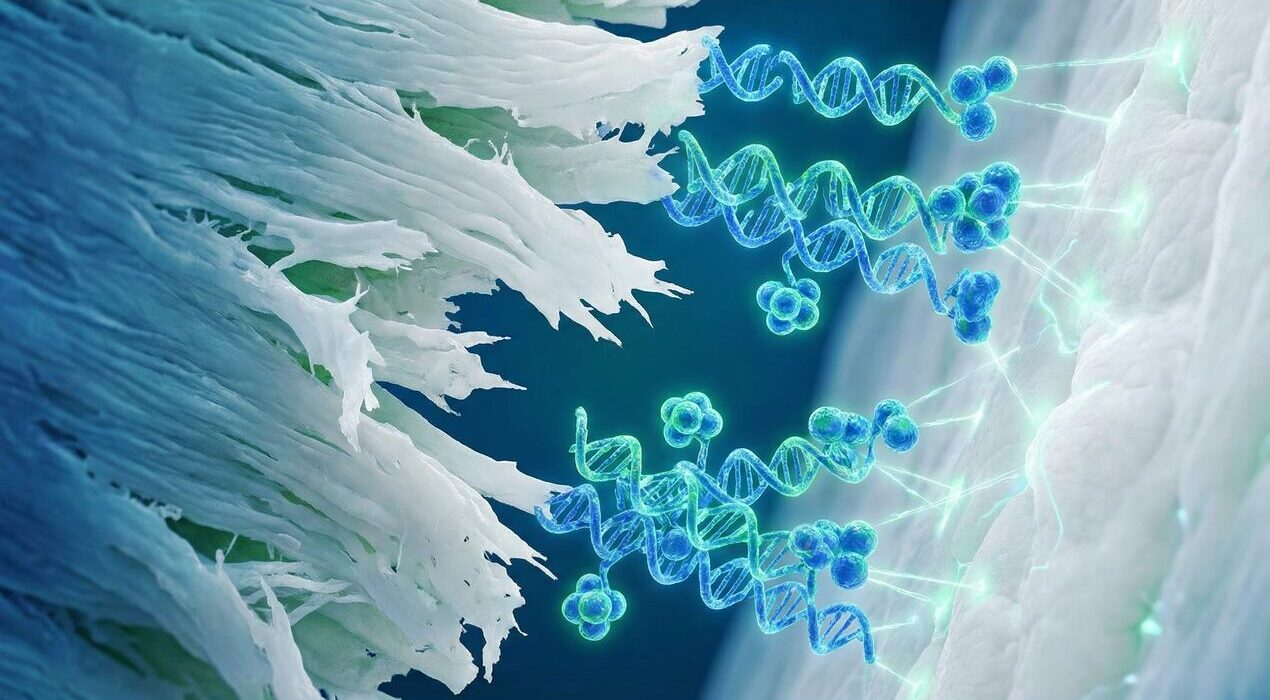
The research focuses on bioactive molecules that respond to movement. These molecules change shape under mechanical stress. For example, normal joint motion activates them.
When injected into damaged cartilage, the molecules trigger chemical repair pathways. These signals awaken dormant stem cells already inside the joint. In addition, they guide these cells to rebuild healthy cartilage tissue.
The regenerated tissue restores collagen and proteoglycan networks. These structures give cartilage its strength and flexibility. Therefore, the repair process works with the body instead of replacing it.
In laboratory and animal studies, healing occurred much faster than before. Within weeks, cartilage became thicker and more elastic. Structural strength also improved significantly.
The molecules reduced inflammation as well. This matters because inflammation often blocks natural healing. As a result, the joint environment became more supportive of repair.
This method differs from older treatments. Previous approaches relied on implants or artificial scaffolds. However, this technique enhances natural repair signals instead.
Researchers believe future treatments may involve simple injections. Surgery may no longer be necessary. Although human trials are still needed, early results look encouraging.
If successful, this breakthrough could help millions. People with joint pain, arthritis, or age-related cartilage loss may finally find relief. Dynamic molecules are opening a new chapter in regenerative medicine.