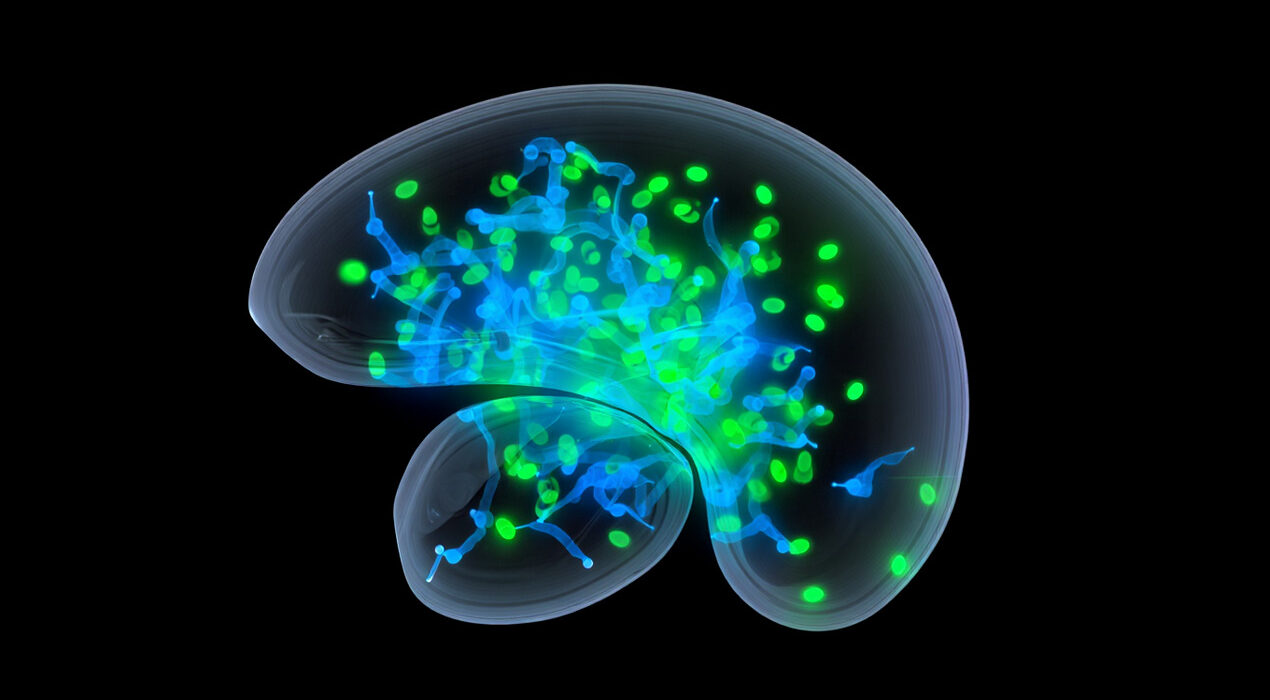
Scientists Make Microplastics Glow to Track Them in Body
Microplastics are everywhere on Earth. They float in oceans and settle on farmland. They even lurk inside the human body. However, scientists do not fully understand their effects. A new study offers a clever solution. Researchers can now make microplastics glow. This technique allows real-time tracking inside living organisms. It reveals how these particles move and change.
The Problem with Current Tests
Plastic production exceeds 460 million tons yearly. Millions of tons become microscopic fragments. These particles end up in our blood, liver, and brain. Lab studies link them to inflammation and organ damage. Yet a major knowledge gap remains. Current methods only provide snapshots in time. Common detection tools destroy tissue samples. As a result, scientists cannot watch the process unfold. They miss how particles travel and break down.
A Glowing Solution
Researchers designed a new fluorescent strategy. They built light-emitting components directly into the plastic’s structure. This approach uses materials that glow brighter when clustered together. The technique offers several advantages. Scientists can control particle brightness, color, size, and shape. The glow remains stable in complex biological environments. Even tiny fragments stay visible as plastics degrade. Therefore, researchers can track the full life cycle. They see ingestion, transport, transformation, and breakdown.
Why This Matters
Lead researcher Wenhong Fan explains the significance. Dynamic tracking moves beyond simple exposure measurements. It helps reveal true toxicity mechanisms. This knowledge is essential for assessing health risks. Understanding particle behavior guides better regulations. It also informs public health decisions. The strategy builds on established science. Polymer chemistry and fluorescence imaging make it possible. Although still experimental, the potential is enormous. As plastic pollution worries grow, this tool arrives at the perfect time. It could finally show us what microplastics really do inside our bodies.