Scientists Stunned As Volcano Removes Methane From Air
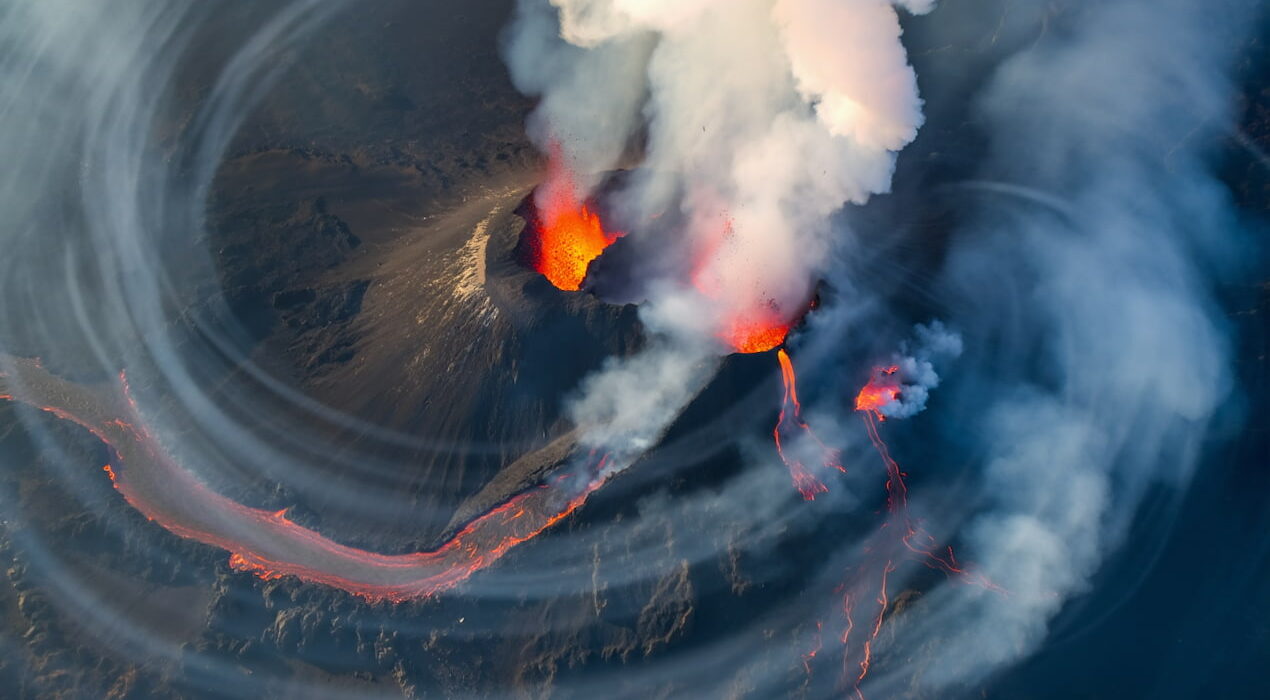
In January 2022, an underwater volcano erupted in the South Pacific. The Hunga Tonga Hunga Ha’apai blast was one of the most powerful ever recorded. However, scientists soon noticed something astonishing. The volcano removes methane from the air.
A Volcanic Surprise
How did this happen? The eruption shot salty seawater and ash high into the stratosphere. Then, sunlight reacted with this mixture. As a result, it created chlorine atoms. These atoms break down methane efficiently. Satellites detected unusually high levels of formaldehyde in the volcanic plume. Formaldehyde forms briefly when methane falls apart. Therefore, it acts as a clear fingerprint of methane destruction. The breakdown continued for over a week as the cloud drifted toward South America.
This Matters for Our Planet
Methane causes about one-third of global warming. Over 20 years, it traps 80 times more heat than CO₂. For this reason, cutting methane pollution could slow warming quickly. Methane leaves the atmosphere in roughly 10 years far faster than carbon dioxide. The eruption released as much methane as 2 million cows produce yearly. Yet the plume removed even more each day. In other words, nature already has a methane-cleaning trick. Researchers believe this volcanic mechanism could inspire future technologies. For example, engineers might replicate the process safely. Satellites can now verify if methane removal actually works. That was a major obstacle until now. “Our satellite method offers a way to help slow global warming,” one scientist concludes. The discovery also means scientists must update global methane budgets. Dust from volcanoes and deserts plays a bigger role than previously thought.