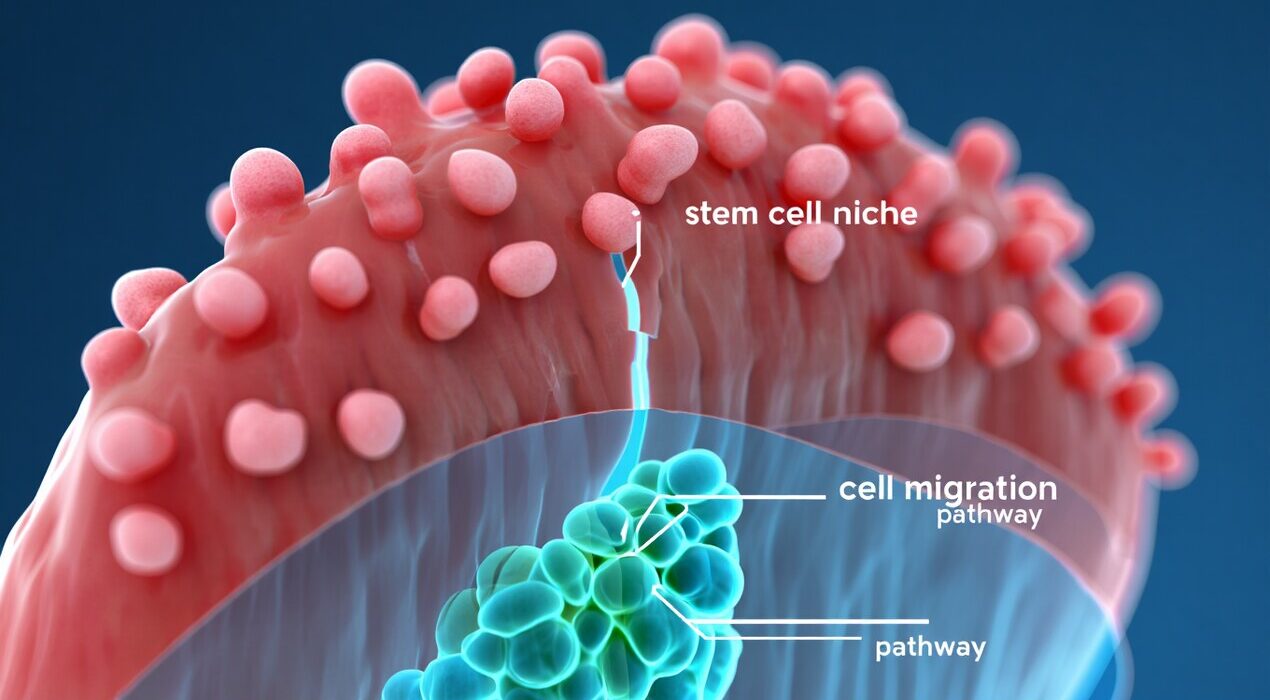
Scientists Unlock Secrets Behind Taste Bud Renewal, Offering Hope for Taste Loss
Scientists have created the first detailed map of how human taste buds regrow.
This breakthrough explains one of the body’s most mysterious senses.
As a result, it may help people who lose taste through illness or aging.Taste buds may be small, but they play a powerful role. They detect sweet, salty, bitter, sour, and umami flavors.
However, these cells wear out fast and need constant replacement.
Taste Bud Regeneration Matters
Until now, scientists did not understand how taste buds rebuild themselves. Therefore, treating taste loss remained difficult. This new research finally fills that gap.Researchers tracked how taste cells form and organize again. They watched the full process in real time. In addition, they saw how these cells reconnect with nerves.
Scientists Tracked Taste Cells
The team used advanced imaging and genetic tools. These tools allowed precise tracking of each taste cell. As a result, scientists saw the entire life cycle unfold.They discovered special stem cells in the tongue. These cells act like builders with clear instructions. For example, they grow into specific taste cells when triggered.
The New Taste Map Shows
The map reveals when and where each taste cell appears. It also shows how cells link to nerve endings. This connection sends flavor signals to the brain.However, damage can disrupt this process.Inflammation, disease, or cancer treatment may break the cycle. Therefore, the map offers clues for future therapies.Taste loss often affects older adults. As a result, eating becomes less enjoyable and less nutritious. This discovery could help restore appetite and pleasure in food.By understanding regrowth, scientists may guide repair. In time, full taste function may return. This marks a major step in sensory science.