Silent Artery Blockages: The Hidden Heart Risk Scientists Warn About
Silent artery blockages are among the most dangerous heart conditions. They develop slowly and show no early warning signs. As a result, many people feel healthy while damage builds inside their arteries.
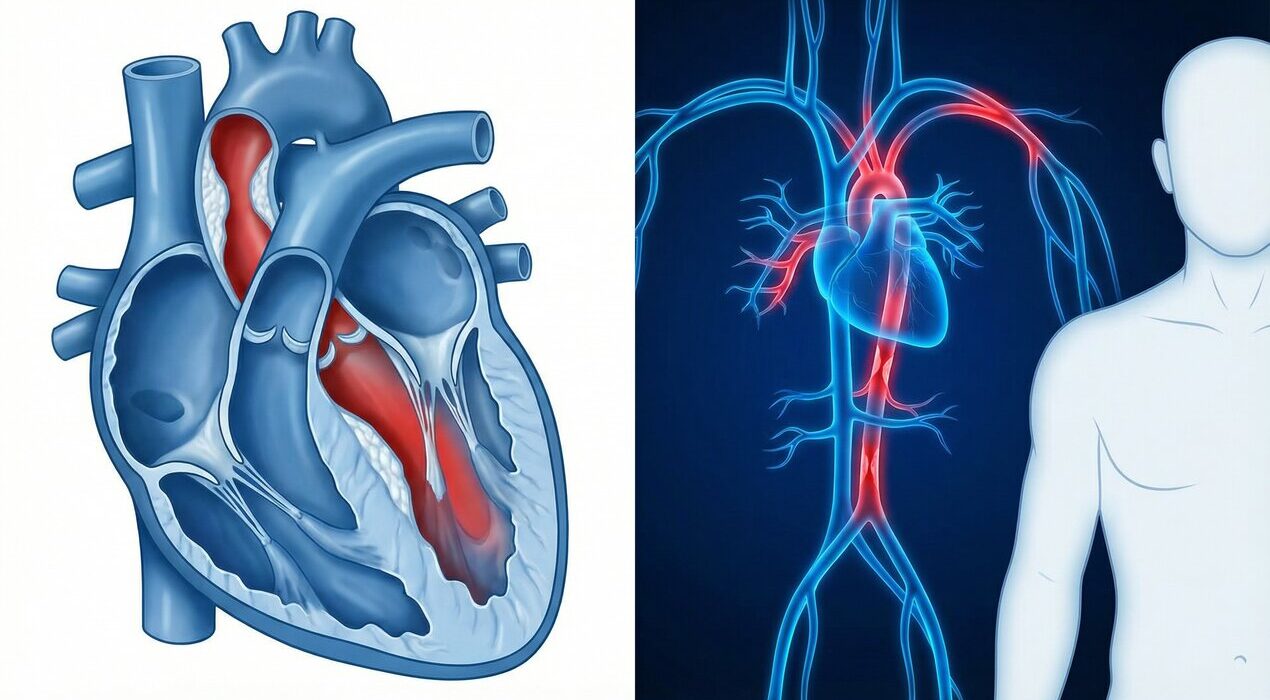
These blockages form when plaque collects along artery walls. Plaque contains fat, cholesterol, calcium, and inflammatory cells. Over time, this buildup narrows the artery and reduces blood flow. However, symptoms often appear very late.
This slow process explains why experts call it a silent threat. People may live for years without knowing a problem exists. Unfortunately, the first sign can be a heart attack or stroke.
How Science Detects the Hidden Risk
Researchers now know plaque behavior matters more than plaque size. Some plaques remain stable for decades. Others become fragile and dangerous.
When fragile plaque ruptures, the body forms a blood clot. This clot can suddenly block blood flow to the heart or brain. Therefore, a quiet blockage can turn deadly within minutes.
Scientists use advanced imaging to spot danger early. Tools like high-resolution ultrasound and CT angiography reveal inflammation inside arteries. Inflammation strongly predicts plaque instability.
In addition, researchers study blood markers linked to hidden inflammation. These markers help identify risk before symptoms appear. As a result, doctors can act sooner.
Lifestyle factors speed up plaque formation. High blood pressure, smoking, diabetes, stress, and high cholesterol increase risk. Regular screening becomes vital for people with these conditions.
Early detection allows strong prevention strategies. These include healthier eating, regular exercise, and cholesterol-lowering medication. Anti-inflammatory treatments also help stabilize plaque.
Awareness remains essential. Thanks to modern research, silent artery disease no longer has to stay hidden.