Simple University Rule Changes Could Save Students Thousands, Report Finds
A new analysis highlights a powerful opportunity for universities. It suggests that straightforward tweaks to existing rules could save students significant money. These “easy” administrative and policy changes could save learners thousands of dollars over their degree. The report targets non-tuition costs, which are a heavy burden. By adjusting policies around core student expenses, institutions can provide direct relief. Therefore, these changes represent a practical way to address affordability without massive system overhaul
Key Areas for Immediate Reform
The report identifies three primary areas for action:
Textbook Policies: Encouraging digital and open-source materials, and banning deals where professors receive commissions on mandatory textbooks they author.
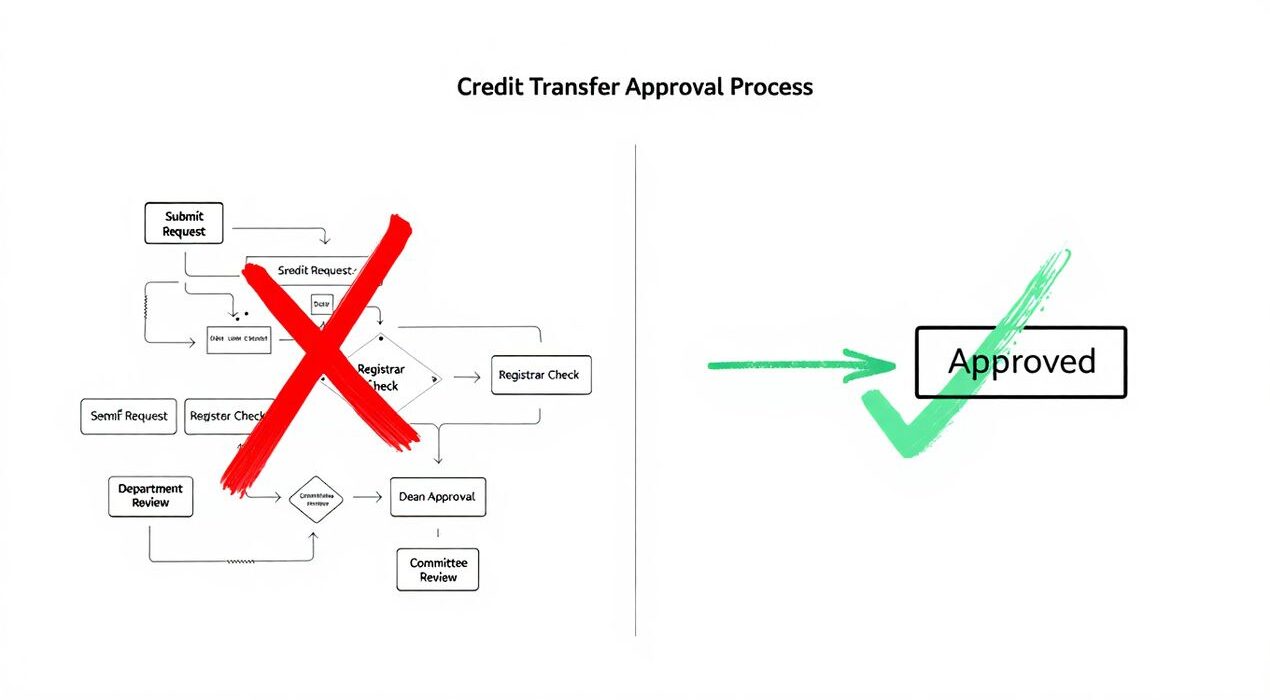
Credit Transfer & Fees: Streamlining credit acceptance from other institutions and community colleges, and eliminating fees for late major changes or course withdrawals. Graduation Efficiency: Removing administrative barriers that force students to take extra, unnecessary semesters to complete their degree.
A Focus on Transparency and Fairness
Many of these proposed changes increase transparency and remove hidden costs. They shift the focus from institutional revenue to student success and affordability. Implementing them would demonstrate a concrete commitment to reducing the student debt burden. While not solving the entire student debt crisis, these tweaks offer immediate, tangible relief. They require more will than budget, proving that universities can take actionable steps right now. Ultimately, it’s about aligning everyday rules with the goal of making education more accessible and efficient.