Smartwatch Health Anxiety: Experts Urge Balanced Use of Wearable Data
Smartwatches help millions of people monitor their health every day. However, smartwatch health anxiety is becoming a growing concern among specialists. Experts say wearable devices offer useful information, but users should never depend on daily scores alone. Instead, people should combine health data with body awareness and professional medical advice.
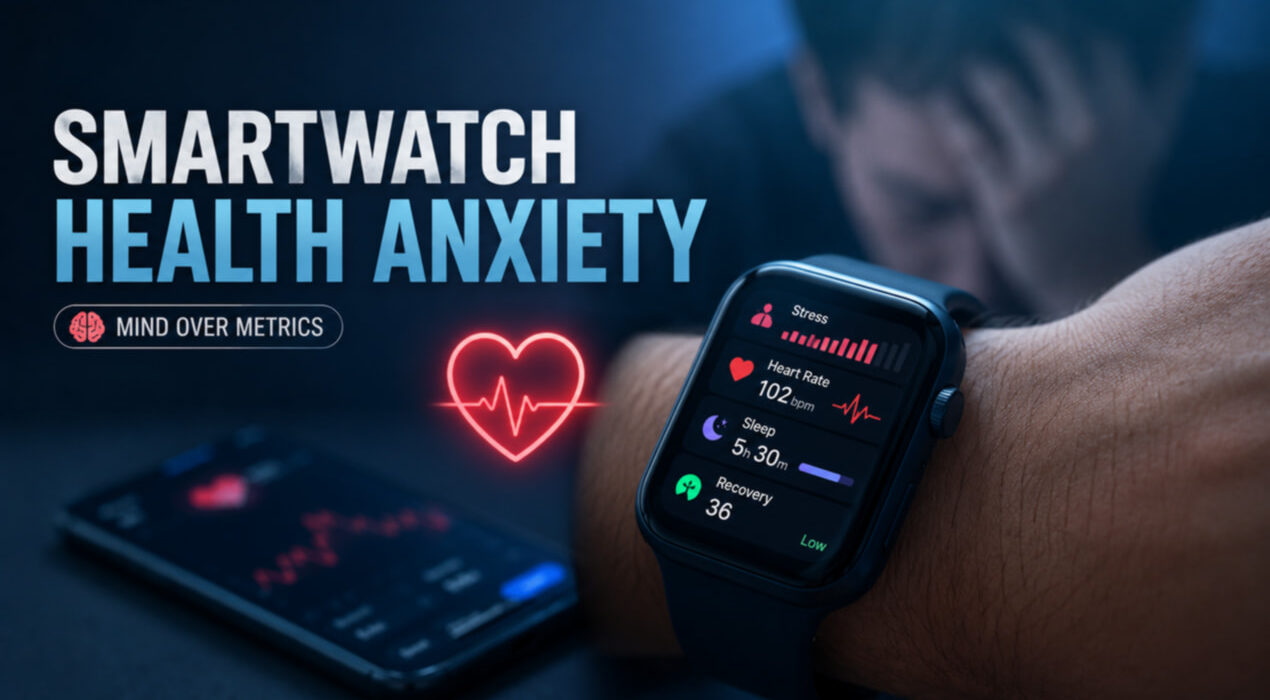
Many smartwatches track heart rate, sleep quality, stress levels, activity and recovery. These features encourage healthier habits. However, some users become too focused on numbers instead of listening to how they actually feel. As a result, a low score may create unnecessary worry, even when no health problem exists.
Trust Your Body, Not Just the Numbers
Health specialists explain that smartwatch readings are estimates rather than medical diagnoses. Therefore, they should not replace personal judgement or professional healthcare. A poor sleep or recovery score does not always indicate illness.
People who naturally worry or seek perfection may depend too much on wearable data. In addition, checking a smartwatch immediately after waking can increase stress. Experts recommend noticing how your body feels before reviewing any health metrics. This simple habit helps reduce unnecessary anxiety.
Wearables Support, Not Replace, Doctors
Doctors say smartwatches improve health awareness but cannot provide complete medical evaluations. For example, dehydration, movement, stress, caffeine and poor sensor contact can affect readings. Therefore, unexpected results should not cause panic.
Healthcare professionals also remind users that only proper medical examinations can confirm a diagnosis. Long-term trends are far more valuable than daily fluctuations. Healthy people should focus on regular exercise, quality sleep and balanced lifestyles instead of chasing perfect scores.
Build Healthy Habits with Technology
Experts advise reviewing smartwatch data calmly and in context. Users should avoid skipping activities because of one low recovery score. Instead, they should look for steady improvements over time.
People with diabetes, heart disease or hypertension may benefit from monitoring health data under medical supervision. Ultimately, wearable technology works best when it supports confidence, healthy choices and informed discussions with healthcare professionals rather than creating fear.