Smoking Isn’t the Only Risk: Lung Cancer Myths
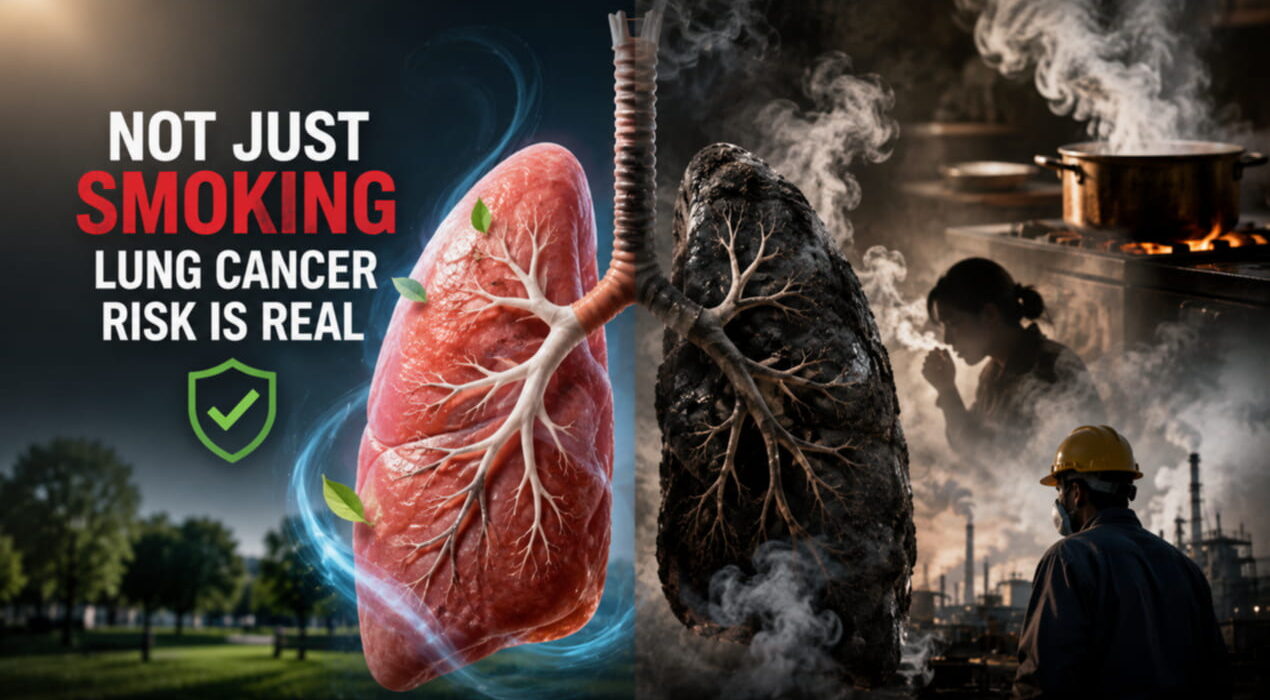
Lung cancer myths can hide important risks. However, several other exposures can also increase lung cancer risk. Second-hand smoke can harm people who do not smoke. Therefore, smoke-free spaces can help protect everyone.
Indoor cooking smoke can also matter. Burning wood, coal, or biomass can release harmful particles. Long-term exposure may damage the lungs, especially where ventilation remains poor.
Occupational risks deserve attention
Some workers face higher exposure to cancer-causing substances. These include asbestos, diesel exhaust, silica dust, and certain industrial chemicals. Employers can reduce exposure through ventilation, protective equipment, and safer practices. However, risk does not mean certainty. Genetics, age, air pollution, and other factors can also influence lung cancer risk.
Common myths about lung cancer
One myth says only older smokers develop lung cancer. In reality, lung cancer can affect people who never smoked. It can also affect younger adults. Another myth says quitting smoking offers little benefit after years of smoking. In fact, quitting can lower lung cancer risk over time. It also improves overall health and protects people nearby. Some people believe healthy habits completely prevent lung cancer. Healthy habits support health, but cannot remove every risk.
Knowing the risks can help
Understanding lung cancer myths can encourage better prevention. Avoiding tobacco smoke remains one of the most important steps. People should limit second-hand smoke and improve cooking ventilation. Workers should follow safety rules around known carcinogens. Persistent cough, chest pain, coughing blood, unexplained weight loss, or breathing problems need medical attention. Early evaluation can help identify serious conditions sooner.
Lung cancer prevention requires more than focusing on smoking. Recognising environmental and workplace risks can help people make safer choices and protect their health. Knowing these risks can help families, workers, and communities make informed decisions about lung health and prevention.