States Debate Palestine Education as New Bills Raise Censorship Concerns
A wave of Palestine education bills has appeared in state legislatures this year. Many educators warn that these measures could restrict honest discussions in public schools. They fear that censorship will shape learning far beyond social studies.
Concerns About the IHRA Definition
Several bills reference the IHRA definition of antisemitism. Critics argue that the definition links criticism of Israel with antisemitism. As a result, it can silence teachers and students. Civil rights groups and unions have raised similar concerns.
Supporters and Opponents Respond
Supporters say the bills aim to prevent discrimination. However, educators report that the measures often target speech about Palestine instead. This trend has surfaced in Arizona, Missouri, California, and Tennessee. Many of the bills have support from pro-Israel organizations and bipartisan lawmakers.
Impact on California’s Ethnic Studies Programs
California has seen major effects on its ethnic studies rollout. Districts have faced lawsuits, pressure campaigns, and sudden policy reversals. Teachers say these actions disrupt lessons designed to highlight diverse communities. They also note that Arab and Muslim students feel singled out.
Classroom Examples Show Real Impact
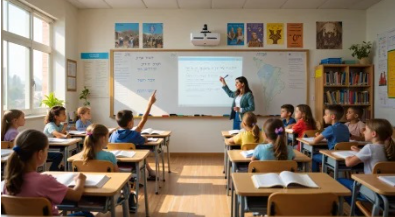
Teachers often share real examples from their classrooms. Some students study water systems or food access after learning about conditions in Gaza. These lessons help students connect science to global challenges. Educators say such activities build empathy and critical thinking.
Calls to Protect Free Expression
Advocates argue that public schools must defend academic freedom. They believe students should explore global conflicts without political pressure. Many warn that outside groups should not control classroom content. For them, protecting open learning is essential to inclusive and meaningful education.