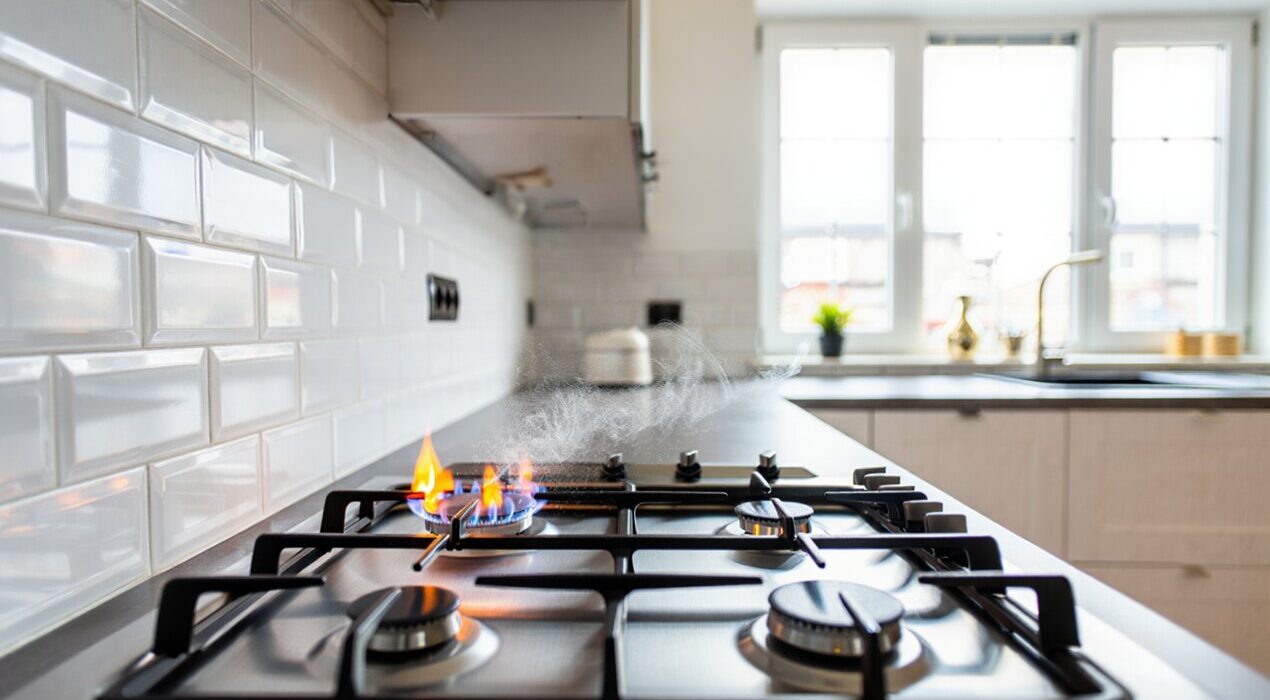
Study Warns Gas Cooking Exposes 2 Million Americans to Unsafe Indoor Air
Staying indoors does not always protect people from air pollution. A new study shows that gas stoves release harmful nitrogen dioxide inside homes. As a result, millions of Americans face health risks while cooking daily meals.Researchers from Stanford University led the national analysis. They published the findings on December 2 in PNAS Nexus. The study links gas and propane cooking to higher pollution exposure.
Health Risks From Gas Stoves
Nitrogen dioxide connects to asthma and lung disease. It also links to diabetes, preterm birth, and lung cancer. However, many people assume indoor air stays safer than outdoor air.The researchers found that indoor pollution can match outdoor levels. Therefore, cooking with gas may expose households to more danger than expected.
Switching Stoves Can Lower Exposure
The analysis shows that electric stoves reduce nitrogen dioxide exposure. On average, exposure drops by more than 25 percent nationwide. Homes that cook frequently could cut exposure by 50 percent.This study stands out because it measures both indoor and outdoor pollution. In addition, it tracks exposure across the entire United States.
Why Regulation Falls Short
Outdoor air pollution receives strict regulation. However, indoor air quality lacks similar protections. As a result, harmful exposure often goes unnoticed.Earlier work by the same team found that pollution lingers for hours after cooking ends. Some studies also show gas stoves emit benzene, a known carcinogen.The researchers combined home data, pollution readings, and behavior patterns. They created maps showing exposure by zip code. For most people, outdoor pollution remains the main source.However, gas cooking pushes exposure above safety limits for 22 million Americans. These effects hit smaller homes and rural areas especially hard. Large cities still face the highest total exposures.
Short Spikes and InequityGas stoves create sharp pollution spikes indoors. These bursts increase short-term health risks. Communities benefit most from cleaner cooking support.Previous studies show higher exposure among American Indian, Alaska Native, Black, and Hispanic households. Experts say improving indoor air should be a priority. Electric stoves offer a practical step toward healthier homes.