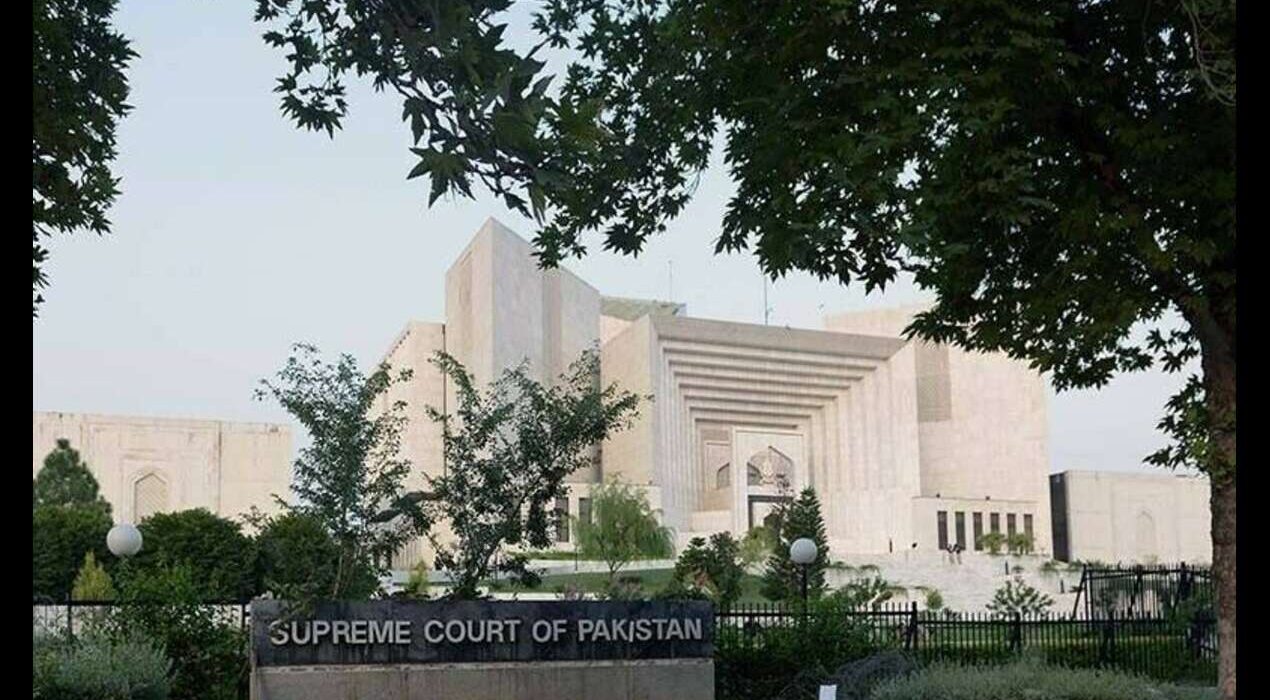
Supreme Court Defines Consent-Based Dissolution in Divorce Cases
The Supreme Court has issued a landmark consent-based dissolution ruling that strengthens women’s legal rights. The judgment makes one point clear. Courts cannot change a divorce plea without explicit approval from the woman involved.
Justice Musarrat Hilali wrote the five-page verdict. Chief Justice Yahya Afridi supported the decision. Therefore, the ruling now carries strong constitutional weight.
Court Rejects Forced Conversion of Divorce Pleas
The case involved Naila Javed, who filed for marriage dissolution due to cruelty. She clearly asked the court to decide on those allegations. However, the Family Court chose a different route.
Instead of addressing cruelty claims, the court ended the marriage on khula grounds. It also asked the woman to surrender her dower. As a result, the legal process ignored her stated position.
The Supreme Court overturned that approach. It ruled that judges must respect the relief a petitioner seeks. For example, courts cannot impose khula without consent.
The bench also examined the husband’s conduct during trial. He failed to provide financial support. In addition, he attempted to damage her character during questioning.
Such behavior meets the legal definition of cruelty. Therefore, a spouse’s refusal to stay in that marriage cannot count as disobedience.
Dower Protection and Legal Violations Highlighted
The apex court restored Naila Javed’s right to Rs1.2 million in dower. It set aside earlier decisions by lower courts. As a result, financial rights received firm protection.
The judgment also addressed a serious violation. During the case, the husband entered a second marriage. He admitted skipping legal permission requirements.
This act breached Section 6 of the Muslim Family Laws Ordinance. The court highlighted this lapse to stress accountability.
Overall, the ruling reinforces personal choice and legal clarity. Most importantly, it places consent at the heart of family law justice.