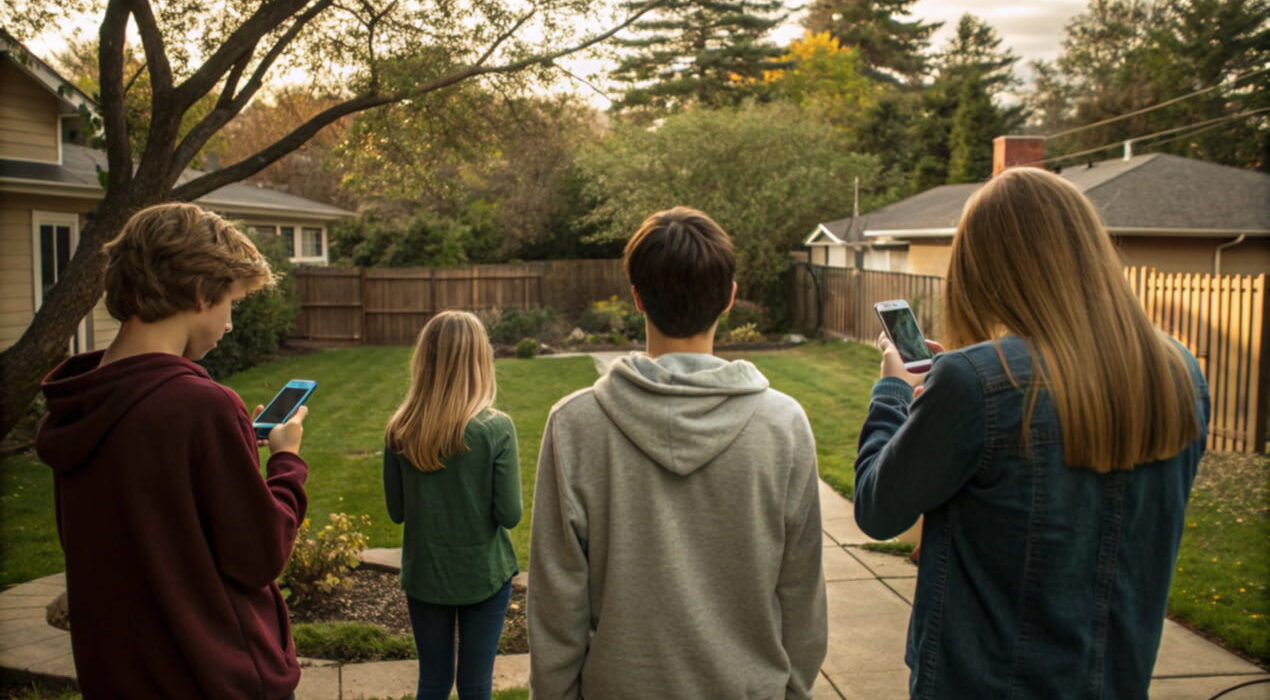
Teen Life Enjoyment Drops as Social Media Use Rises, Study Finds
A new University of Michigan study reveals a worrying trend among today’s teens. The number of teenagers who say they “don’t enjoy life” has doubled since smartphones and social media became part of everyday life.
Psychologist Dr. Jean Twenge explains that this shift didn’t happen overnight. Over the past decade, the digital world has slowly changed how young people connect, communicate, and see themselves. As a result, nearly half of teens now say they often feel unhappy or inadequate.
The rise of screen time and social pressure
Teens spend more time online than ever before. They scroll through perfectly filtered photos and endless highlight reels. However, constant comparison makes many feel left out or less successful. Therefore, even though they are more “connected,” they often feel lonelier.
Dr. Twenge points out that social media can distort reality. Likes and comments have become measures of self-worth, which can make emotional ups and downs even harder to manage. In addition, late-night scrolling can disrupt sleep, making anxiety and sadness worse.
Fewer real-world experiences
The study also found that teens now reach fewer traditional milestones. For example, fewer are dating, getting part-time jobs, or spending time outdoors. These real-life experiences once helped build confidence and independence. Without them, many struggle with self-esteem and motivation.
Experts believe balance is the key. Parents and educators can encourage healthy phone habits, more face-to-face interaction, and time away from screens. Small changes, such as family meals or outdoor walks, can make a big difference.
As Dr. Twenge concludes, understanding how digital life affects young minds is vital. By addressing it early, we can help teens rediscover joy and purpose beyond their screens.