Test Confirms Copilot Ad Claims Don’t Match Reality
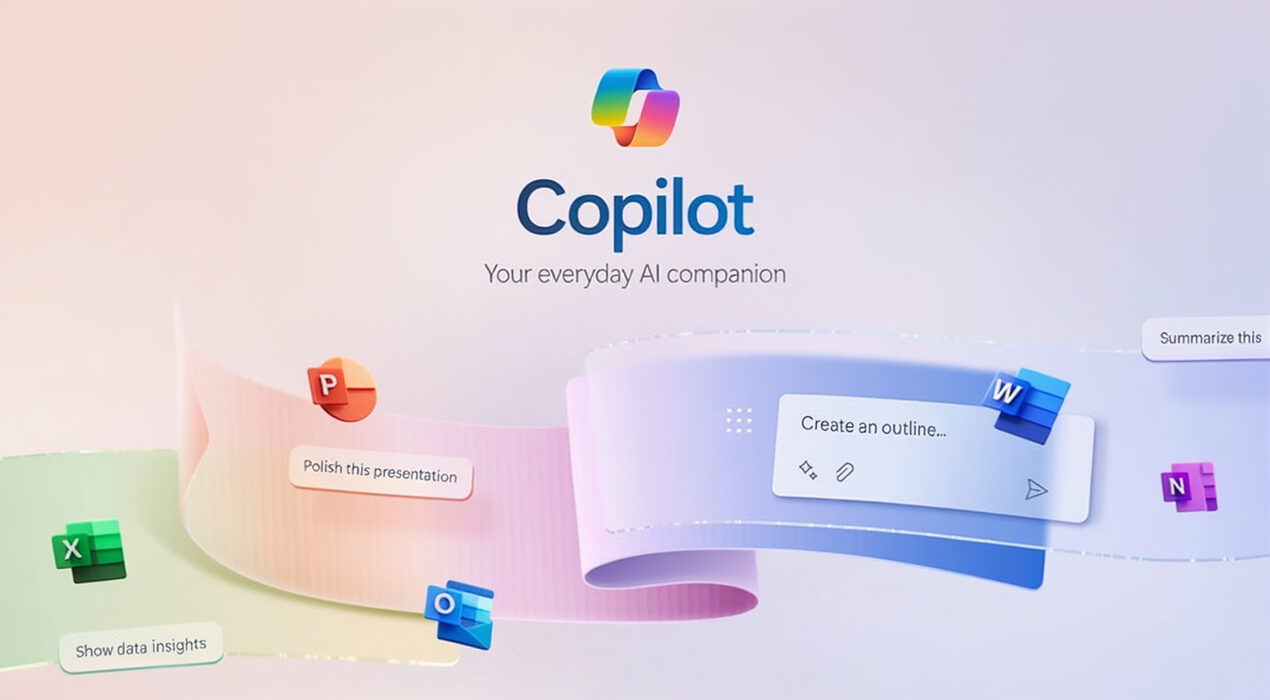
A recent independent test shows that Copilot ad claims may not reflect real-world performance. Microsoft’s promotional video suggested smooth, advanced AI assistance. However, testers found a noticeable gap between the ad and actual results.
The ad showed Copilot completing complex tasks instantly. These included planning, summarizing meetings, and managing files automatically. In reality, the experience turned out to be far more limited.
What The Test Actually Found
Researchers recreated the exact scenario shown in the Copilot ad. However, Copilot failed to complete the same steps without extra prompts. As a result, users needed manual input to guide almost every action.
For example, Copilot struggled with context awareness. It often misunderstood instructions or stopped midway. In addition, the tool required repeated clarifications to finish simple tasks.
Testers also noted delays in responses. Therefore, the workflow felt slower than advertised. This gap raised concerns about how AI abilities are presented to everyday users.
Why This Matters for Users
Marketing shapes expectations, especially for AI tools. However, exaggerated demos can lead to frustration. Users may expect automation that does not yet exist.
Microsoft responded by stating that ads show “future-facing scenarios.” Still, critics argue that ads should reflect current features. Transparency builds trust, especially in emerging technologies.
In addition, experts warn that AI tools work best with clear guidance. Copilot remains helpful for drafts, summaries, and basic tasks. However, it does not replace human planning or decision-making yet.
As a result, users should treat AI as an assistant, not a shortcut. Understanding limitations helps avoid disappointment.
AI is evolving fast, but honest communication matters more than hype. For now, Copilot ad claims appear ahead of reality. Users should explore the tool with realistic expectations.