Tourism Boom in Galiyat Threatens Nature and Local Livelihoods
Rapid tourism growth in Pakistan’s Galiyat region is now threatening its natural beauty. Popular hill stations like Nathiagali and Ayubia are facing severe environmental strain. Experts warn that without action, the area’s fragile ecosystems could suffer irreversible damage.
Unplanned construction, pollution, and deforestation are escalating. These issues are degrading the very landscapes that attract visitors. Local communities also face growing challenges as their traditional livelihoods are disrupted.
The Environmental Toll of Unchecked Tourism
Infrastructure development is expanding without proper regulations. Hotels, resorts, and roads are being built on unstable hillsides. This has increased soil erosion and landslide risks across the region.
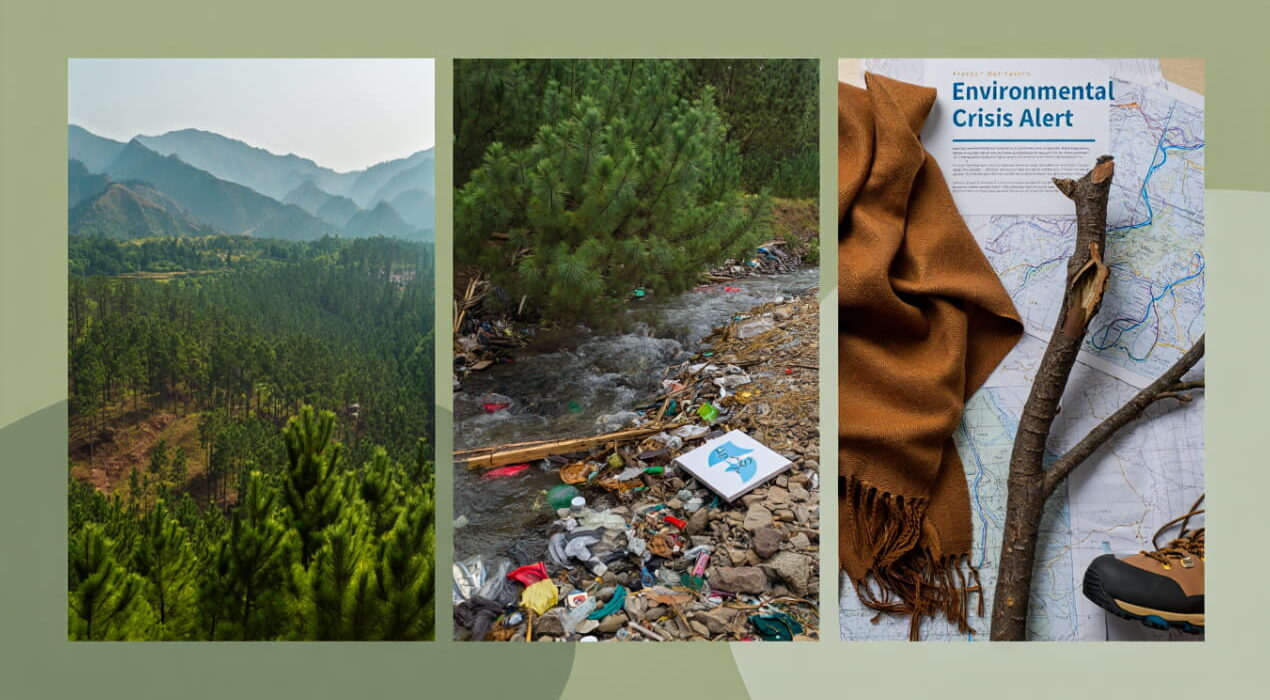
Waste management remains a critical concern. Plastic pollution and untreated sewage are contaminating water sources. Furthermore, deforestation for construction is destroying vital wildlife habitats.
The unique biodiversity of Galiyat is now at risk. Native species like the Himalayan monal and pine forests are under threat. Conservationists stress that unchecked tourism could permanently alter this ecological haven.
Impact on Local Communities and Livelihoods
Rising land and living costs are displacing long-time residents. Many locals can no longer afford basic necessities. This has created social tension between newcomers and indigenous populations.
Traditional occupations like farming and herding are declining. Tourism jobs are often seasonal and low-paying. As a result, economic instability is growing among vulnerable households.
There is an urgent need for sustainable tourism planning. Balancing economic growth with environmental protection is essential. Community-led initiatives and stricter regulations could help mitigate current threats.