UAE OPEC Exit Explained Why UAE Left OPEC and What It Means
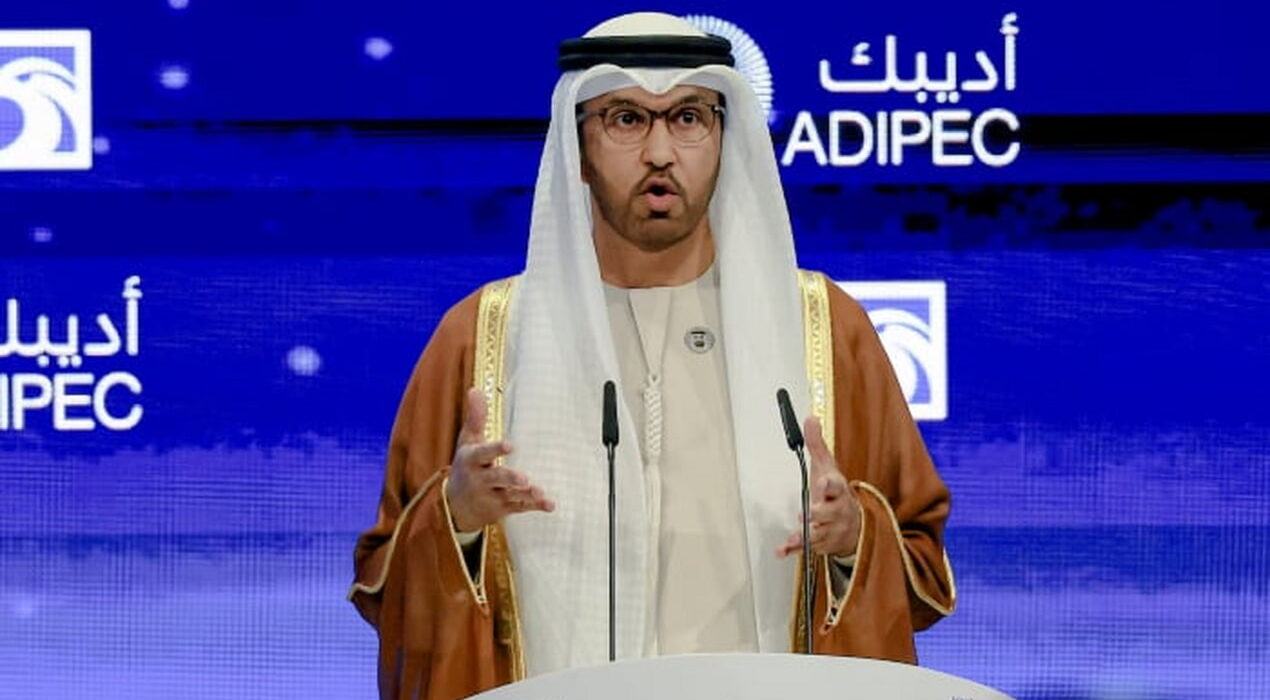
The UAE OPEC exit has surprised global energy markets. However, officials say the move is not aimed at any country. Instead, leaders want to focus on national growth and long term goals. Sultan Al Jaber shared this message at a conference in Abu Dhabi. He stressed that the decision reflects economic priorities. In addition, he highlighted plans to reshape the country’s future.
Why the UAE Left OPEC
The UAE says the exit supports its national interests. Therefore, it can invest more freely in energy and industry. The government also wants faster growth in key sectors.
For example, the country plans to boost oil production capacity. It aims to reach five million barrels per day by 2027. This goal requires more flexibility than OPEC rules allow. In addition, ADNOC plans to invest $55 billion in new projects. As a result, the UAE expects stronger economic returns.
Not a Political Move
Tensions with Saudi Arabia raised questions about the timing. However, officials insist the move is neutral. They say it is not directed at any nation. The UAE and Saudi Arabia have disagreed on oil quotas before. Still, the UAE frames this step as strategic, not political. Moreover, leaders say it aligns with long-term development plans.
What It Means for Global Oil
The UAE was OPEC’s fourth largest producer. Therefore, its exit could weaken the group’s influence on oil prices. Analysts believe this may shift market dynamics. At the same time, the UAE gains more control over its production. This freedom could boost revenue and investment. For instance, funds may flow into artificial intelligence and technology sectors. As a result, the country aims to build a stronger and more resilient economy. Leaders see this as a chance to turn challenges into growth.
A Strategic Shift Forward
The UAE views this move as part of a bigger plan. It wants to connect energy, technology, and industry. In addition, the country aims to create long term value. Sultan Al Jaber said the focus is on opportunity, not crisis. He believes bold decisions can create new beginnings. Therefore, the UAE is positioning itself for future growth.