Ultra-Processed Foods Linked to Early-Onset Colorectal Cancer Risk
Colorectal cancer was once seen mostly in older adults, but cases in people under 50 are rising, especially in high-income countries like the U.S. The reasons behind this trend remain unclear. A new study led by Mass General Brigham researchers suggests that ultra-processed foods may play a significant role.
Ultra-Processed Foods and Early-Onset Colorectal Cancer
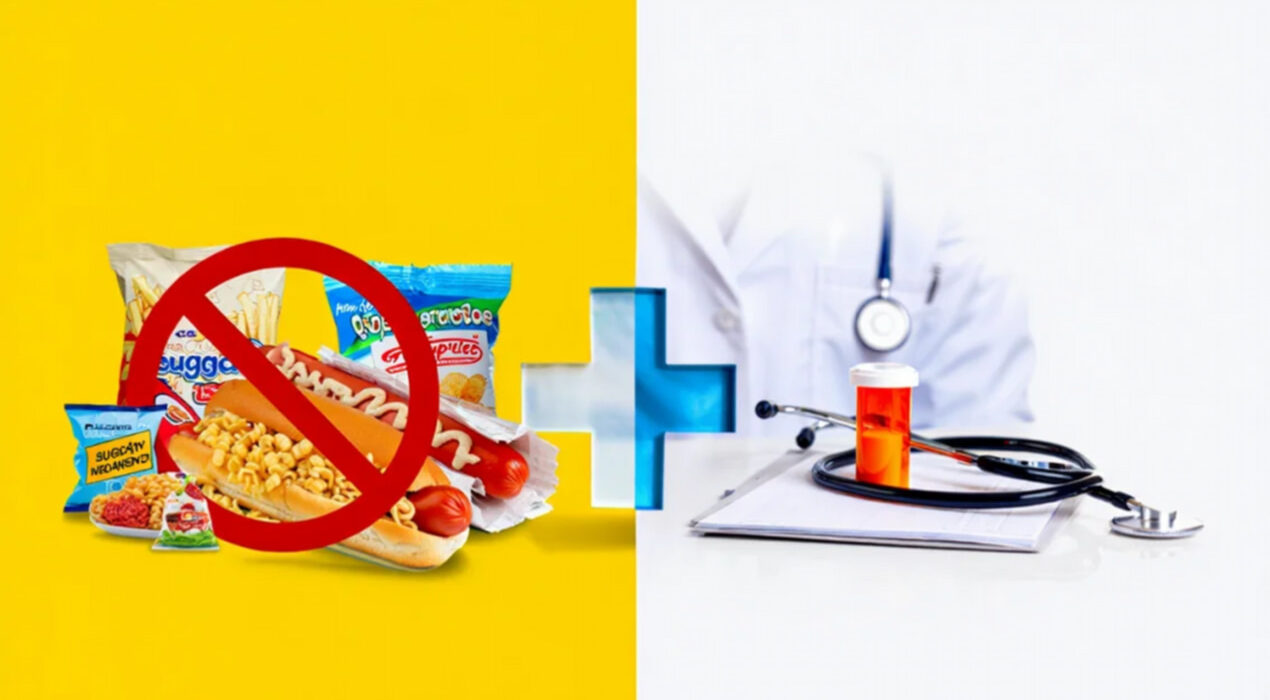
The study analyzed diets and endoscopy results from nearly 30,000 women. Participants who ate the most ultra-processed foods had a 45% higher risk of developing adenomas, which can become early-onset colorectal cancer, compared to those who ate the least. Ultra-processed foods include ready-to-eat items high in sugar, salt, saturated fat, and additives. The research indicates that the more of these foods a person eats, the greater their risk of colon polyps. Dr. Andrew Chan, senior author and gastroenterologist at Mass General Brigham, emphasized reducing ultra-processed food intake as a potential preventive strategy.
Study Details and Implications
Researchers used 24 years of data from the Nurses’ Health Study II. They tracked 29,105 female nurses who had at least two lower endoscopies before age 50. Participants completed dietary surveys every four years, helping estimate daily intake of ultra-processed foods. On average, participants consumed 5.7 servings daily, about 35% of total calories. Among 2,787 participants with adenomas, women with the highest intake around 10 servings per day faced a 45% higher risk than those consuming about 3 servings. The study accounted for other risk factors, including BMI, type 2 diabetes, and fiber intake, but the link remained strong. Researchers note that diet does not fully explain early-onset colorectal cancer. They aim to identify other risk factors and better categorize ultra-processed foods to understand which are most harmful.