Ultra-Thin Solar Cells From MIT Can Power Devices Anywhere
MIT researchers have introduced flexible solar cells that may reshape how we power devices. These ultra-thin cells are lighter than paper yet strong enough to generate energy from low indoor light. As a result, they create a new path for portable and affordable clean energy.
Reinventing Solar Power
The new cells measure only a few micrometers in thickness. They weigh about one-hundredth as much as traditional solar panels. In addition, MIT designed them to be printed using electronic inks, which makes manufacturing fast and low cost.
This approach allows companies to print large sheets with ease. The final product remains extremely light, flexible, and efficient. Unlike rigid panels, these cells can attach to many surfaces without adding noticeable weight.
Real-World Uses and Future Potential
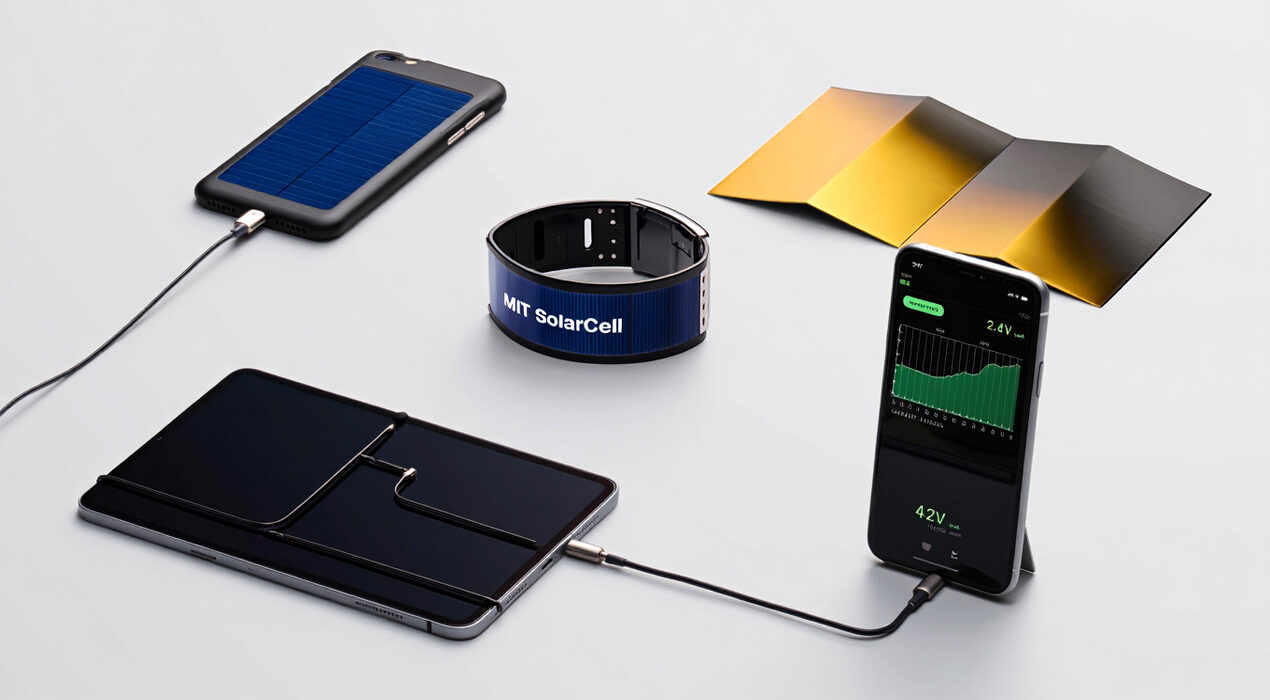
You can place the cells on fabrics, walls, tents, backpacks, and even drones. They can also power wearables and portable electronics. For example, the cells generate enough energy from indoor ambient light to charge sensors or small devices.
Their power-to-weight ratio is remarkable. These flexible solar cells produce up to 18 times more power per kilogram than standard panels. Therefore, they are ideal for off-grid, mobile, and emergency applications.
The cells also fold, roll, and compress without breaking. However, researchers are developing protective coatings to improve outdoor durability. Once complete, this technology may support self-charging clothing, lightweight solar gear, and sustainable consumer devices.
In addition, the innovation opens new opportunities for disaster relief and remote environments. It shows how lightweight energy sources can support communities when traditional power is unavailable. MIT’s advance highlights a future where flexible solar cells become part of everyday life.