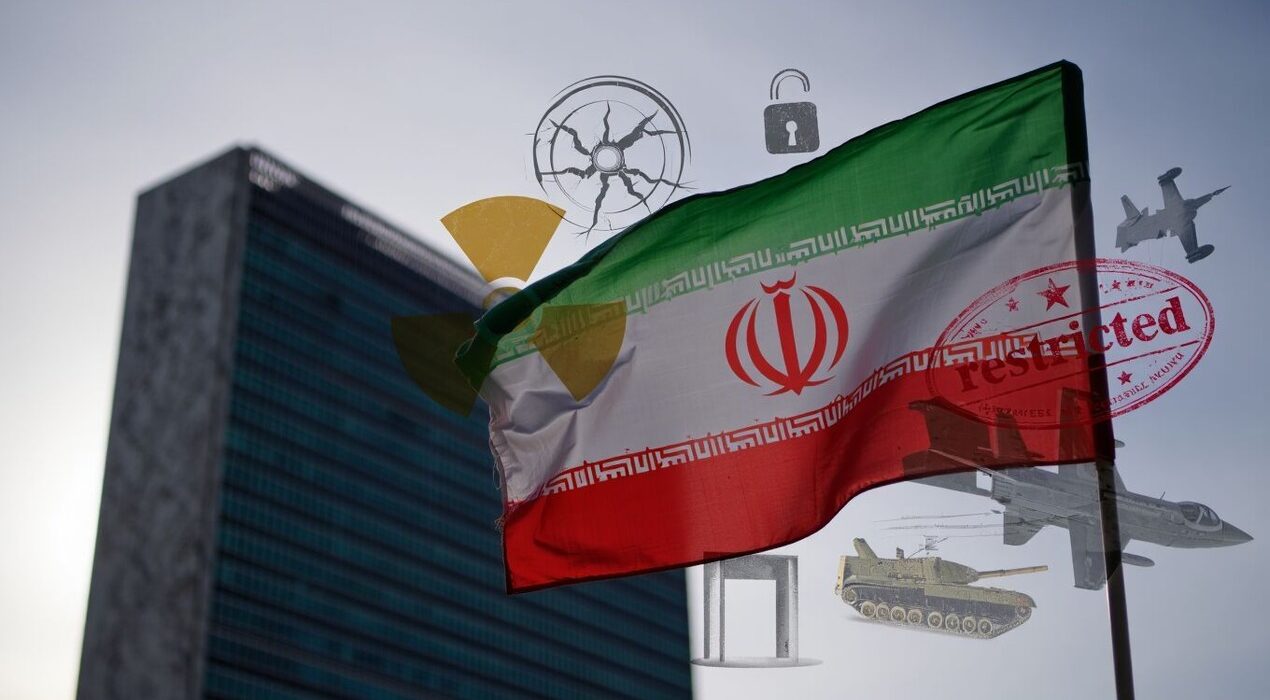
Sweeping United Nations economic and military sanctions have returned to Iran, a decade after leaders lifted them under the landmark 2015 nuclear deal.
The UK, France, and Germany triggered the “snapback” mechanism, accusing Tehran of nuclear escalation and refusing to honor international commitments.
This move marks a turning point in Iran’s already tense relations with Western powers. The Joint Comprehensive Plan of Action (JCPOA) had previously granted Iran relief from sanctions in exchange for strict limits on nuclear activity and constant international monitoring. That balance has now collapsed.
Tensions rose sharply in recent months after Israel and the United States bombed Iranian nuclear sites and military bases in June.
Iran responded by suspending inspections of its facilities, openly breaching obligations under the deal. President Masoud Pareshan addressed the nation last week, rejecting claims that Iran seeks nuclear weapons.
He insisted the program remains peaceful, focused on energy production and scientific development. Western powers remain unconvinced, and the reinstated sanctions will hit Iran’s fragile economy hard.
Analysts warn of limited oil exports, shrinking foreign trade, and reduced access to global financial systems. Military restrictions will also weaken Tehran’s defense capabilities.
The decision has split the international community. Russia and China are expected to resist renewed measures, while European allies push for stronger enforcement.
The coming weeks will show whether diplomacy can reopen or if Iran faces prolonged isolation. With the snapback mechanism now fully active, the crisis risks escalating into a wider regional confrontation.
UN Reimposes Sanctions on Iran Amid Nuclear Tensions