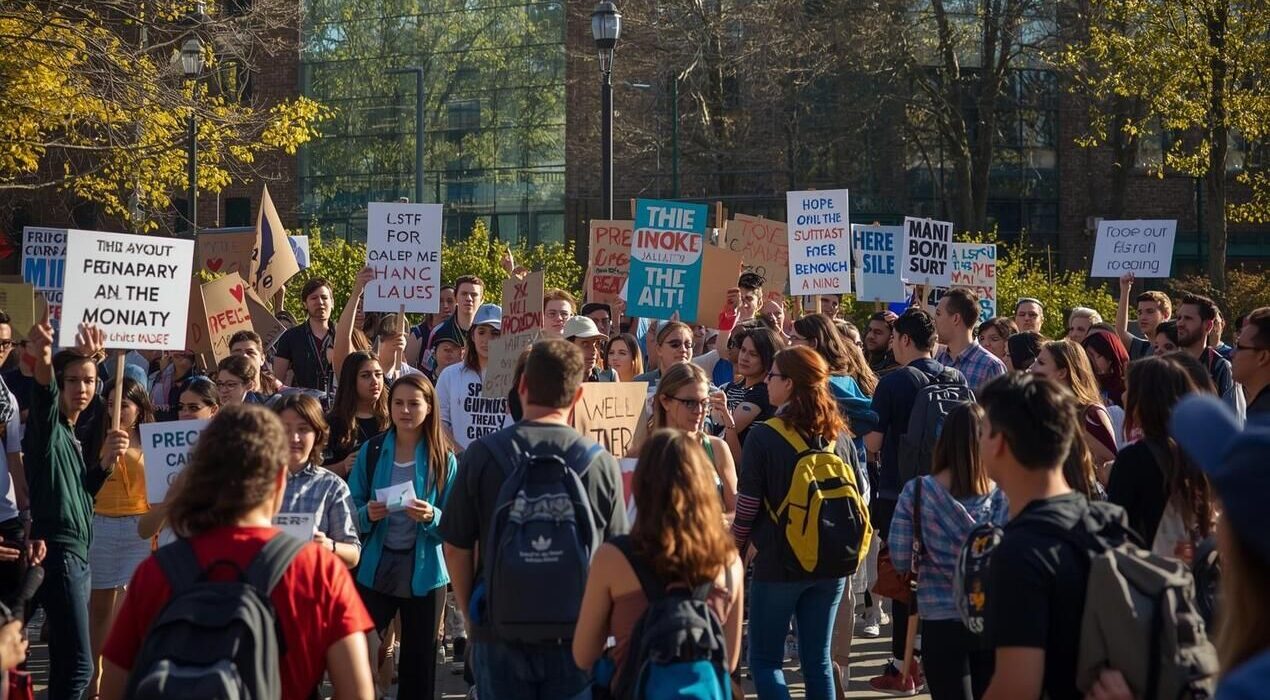
Vanderbilt Faculty and Students Oppose Trump’s Academic Compact
Vanderbilt University’s Faculty Senate passed a resolution on Oct. 8 opposing President Donald Trump’s “Compact for Academic Excellence in Higher Education.” The decision came after strong criticism from both faculty and students.
The Trump administration sent the compact to nine universities, including Vanderbilt, on Oct. 1. In exchange for agreeing to the compact’s terms, schools would receive priority access to federal funding. However, many on campus believe the proposal threatens academic freedom and university independence.
Faculty Senate Takes a Stand
During an emergency meeting, over 150 faculty members joined the discussion. Professor Jonathan Gilligan introduced the resolution, which passed with 30 votes in favor, 11 against, and one abstention. The resolution urges Chancellor Daniel Diermeier and the Board of Trust not to sign the compact.Gilligan argued that the compact undermines university autonomy and could restrict free expression. He compared it to past government efforts that pressured universities to suppress dissent. He also cited a Supreme Court ruling protecting institutions from government coercion.
Students Voice Opposition
Vanderbilt Student Government (VSG) joined student governments from six other universities in releasing a joint statement. They warned that the compact could “erode the independence that has long defined our universities.”
VSG President Soham Saraf said a campus survey showed that 78% of students opposed signing the compact. He emphasized that the student body values open dialogue and academic freedom.
Both faculty and students agree that protecting these principles is vital. As of now, MIT is the only university to officially reject the compact, while others have yet to respond.