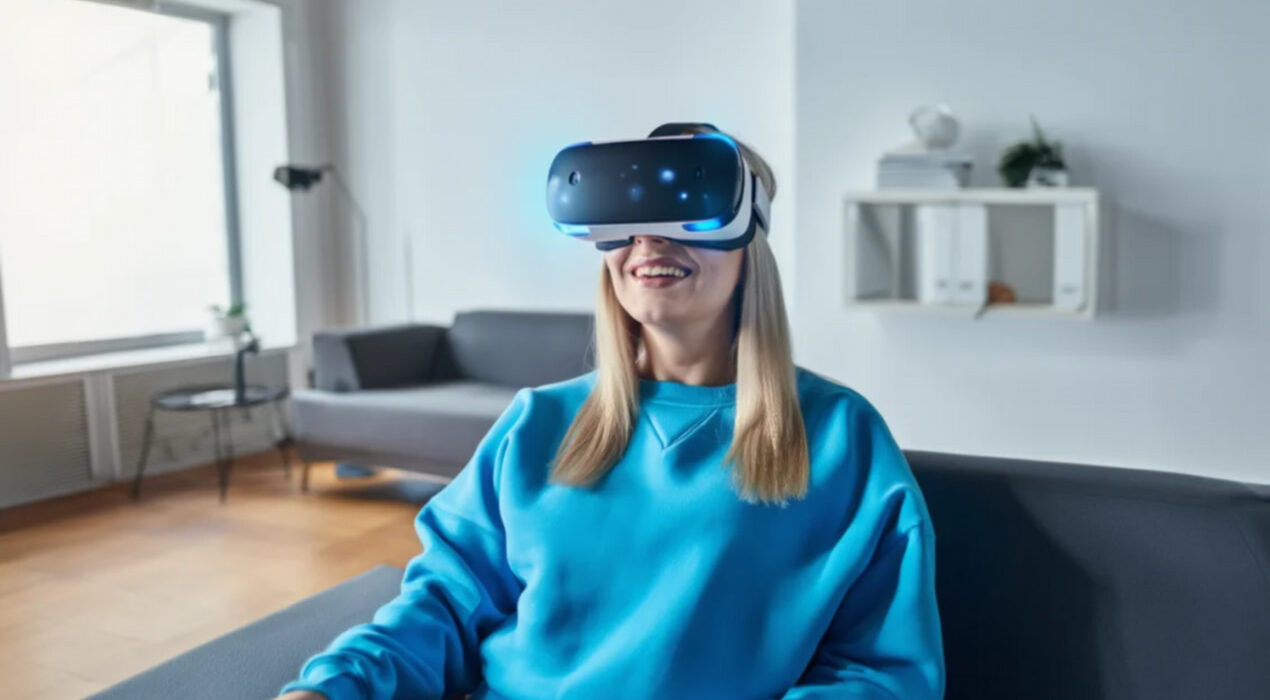
VR Headsets May Actually Reduce Risk of Dry Eye
Virtual reality (VR) gaming is becoming increasingly popular worldwide. Many users now include VR headsets in their daily routines for immersive experiences. These devices provide rich visuals and a strong sense of presence, sometimes disconnecting players from their surroundings. Yet, concerns exist about prolonged VR use and its potential link to dry eye, a condition caused by tear film instability.
Real-Time Tear Film Monitoring
Researchers at Waseda University and Kyoto Prefectural University of Medicine developed a VR headset with a tiny built-in camera. This setup allowed real-time observation of the tear film during VR sessions. Fourteen healthy participants played a VR game for 30 minutes. Every five minutes, the camera measured the tear film lipid layer. Researchers found a notable increase in lipid layer thickness as sessions progressed. Corneal and eyelid temperatures also rose slightly. Experts suggest that the gentle warming inside the headset may trigger thicker lipid layers, which help stabilize tear films and reduce dryness.
Associate Professor Yoshiro Okazaki said the study aimed to fill gaps in real-time tear film data during VR use. A thicker lipid layer resists evaporation and improves eye comfort. These findings may also help VR designers create headsets that enhance user eye health naturally.
Limitations and Future Directions
The study focused only on healthy participants and lacked a control group, so results cannot yet be applied to all users. Future research will include people with chronic dry eye or meibomian gland issues. Longer sessions and different headset types will also be tested.
Overall, VR headsets may offer more than entertainment they could actively support eye comfort. Thoughtful VR use may reduce dryness and help maintain healthy tear film in our increasingly digital world.