Walk Through 400 Years of Mughal History in Delhi
Delhi’s Mughal heritage shapes the city’s soul. Travelers can trace this legacy through restored monuments and green spaces. Therefore, a journey across centuries begins here.
The Mughal Empire ruled India for hundreds of years. It left behind tombs, mosques, and forts. Consequently, Delhi is a living museum of that era.
Humayun’s Tomb: A Grand Blueprint
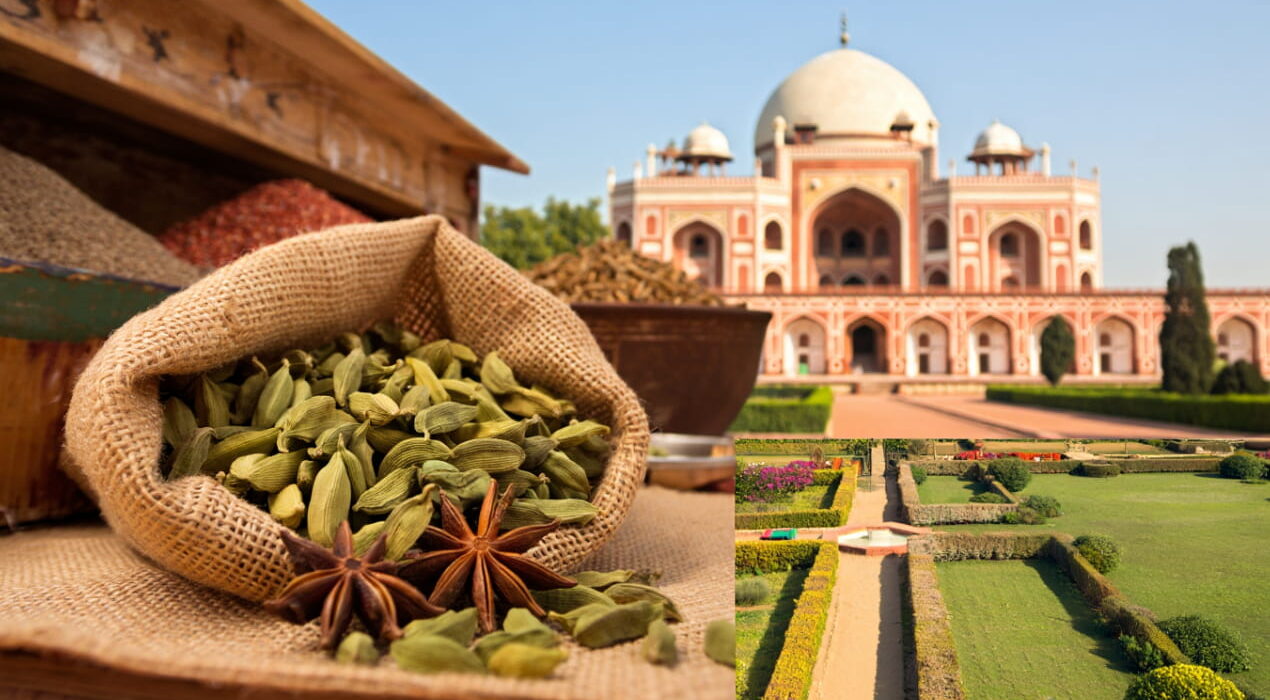
Humayun’s Tomb was completed in 1572. It is the first grand Mughal garden tomb. Its red sandstone and white marble inspired the Taj Mahal. Local guide Vasu Akhtar brings history to life. She recounts stories as you climb steep steps. White marble walls and latticed windows surround the central chamber.
From the elevated tomb, a cityscape of high-rises comes into view. Therefore, you see how modern Delhi embraces its historic monuments.
Chandni Chowk: A Living Tide
Old Delhi’s Chandni Chowk market dates back to the 17th century. A cycle rickshaw ride here overwhelms all senses. Spice shops exhale aromas of cardamom and anise. Marigold garlands cascade from windows. Jalebi vendors wave sizzling pastry coils in the air. Therefore, you get a pulse-quickening glimpse into Old Delhi’s restless heart.
Mehrauli Archaeological Park: Hidden Gems
South Delhi’s Mehrauli Archaeological Park has over 100 monuments. Yet it is largely unknown to international visitors. The earliest structure dates back to around 1060. The Jamali Kamali complex features Indo-Islamic architecture. Fluted pilasters and pointed arches resemble Islamic cities like Marrakech. Therefore, it feels remarkably still and quiet.
Guide Reetika Tripathi grew up in south Delhi. She is passionate about leading the way for female guides. Consequently, Delhi’s heritage has always been a big part of her life.
Sunder Nursery: Roots of Tomorrow
Sunder Nursery opened in 2018 after a decade-long restoration. It was once a neglected patch of Mughal-era gardens. Now, it is Delhi’s Central Park. Children fly kites against restored 16th-century tombs. Couples walk and families picnic next to geometric flower beds. Therefore, heritage has a place in Delhi’s future.
Adaptive Reuse and Modern Connections
Architects now speak of adaptive reuse. Historic havelis become boutique hotels. Forgotten stepwells transform into community hubs. The Delhi Metro links diverse neighbourhoods. It passes beneath centuries-old buildings. Consequently, you can step from an air-conditioned train into a 17th-century market. “We don’t demolish anything,” says Reetika. “If it’s Mughal history, we embrace it. If it’s colonial history, we embrace it, too.”
A City Worth Slowing Down For
Delhi’s youth see heritage as part of their identity. Volunteers organise clean-ups and spread awareness. Therefore, forgotten corners of the city are being revived. Reetika stresses that people are forward-thinking. Jaggery has been used in India for centuries. Its use in ice cream is a far more recent development. “We embrace the past,” she says. “But always look to the future.” In conclusion, Delhi is not just crowded streets and traffic. It has an old soul and a vibrant personality.