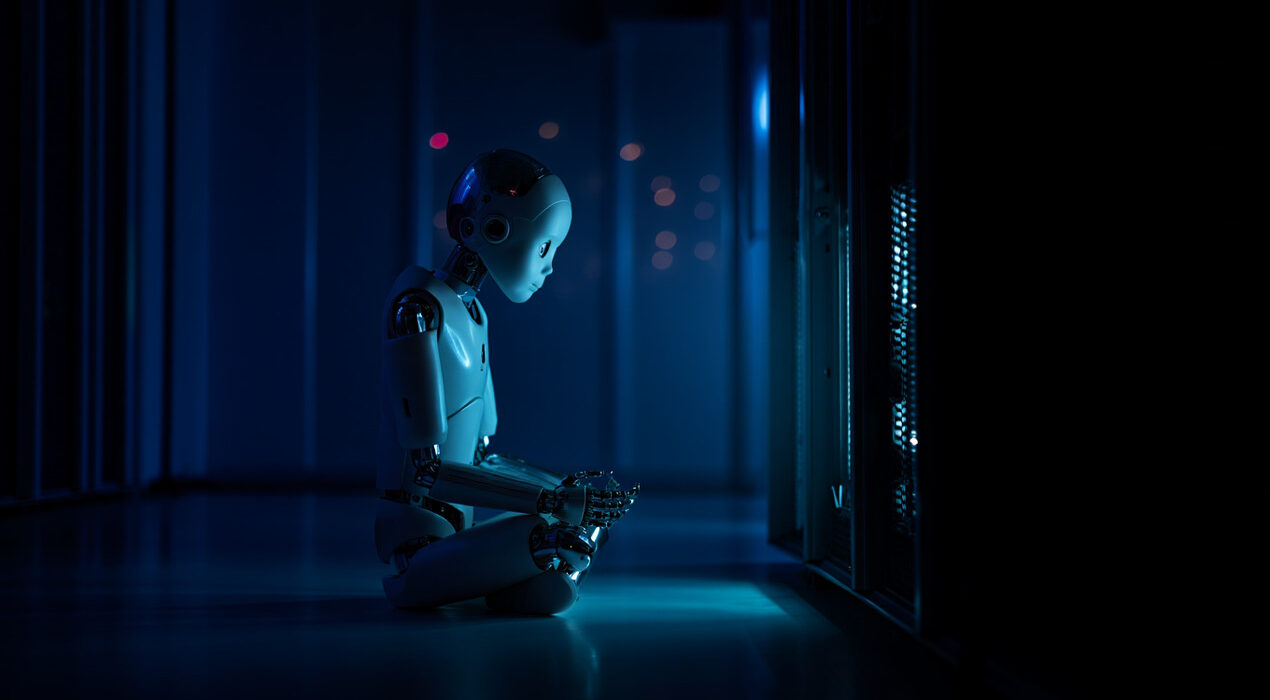
What If AI Becomes Conscious and We Never Know? Cambridge Philosopher Raises Ethical Concerns
The idea of conscious artificial intelligence is gaining attention across the world. Many people believe advanced machines could one day become aware. However, a philosopher from the University of Cambridge says we may never be able to prove it. Dr. Tom McClelland studies consciousness and ethics at Cambridge. He argues that science lacks reliable tools to test awareness in machines. As a result, certainty about conscious AI may remain out of reach. Researchers still do not understand how consciousness works in humans. Therefore, identifying it in artificial systems is even more difficult. According to McClelland, no clear method exists today. Some experts believe future breakthroughs will solve the problem. However, McClelland says there is no evidence that such tools are coming soon. The most honest position, he argues, is uncertainty.
Consciousness Is Not the Ethical Threshold
Public discussions often treat consciousness as the key moral line. In contrast, McClelland says sentience matters more. Sentience means the ability to feel pleasure or pain.An AI system could become aware without feeling anything. For example, a self-driving car may perceive roads and obstacles. However, that ability alone does not create ethical concern.
The Risk of AI Hype and Marketing Claims
Technology companies are investing heavily in advanced AI systems. In addition, some promote claims of near-human intelligence. McClelland warns that unclear science allows exaggerated marketing.Believing these claims too easily can be harmful. People may form emotional bonds with machines that cannot feel. As a result, those relationships may cause psychological distress.
Real Ethical Issues May Be Ignored
McClelland warns that misplaced concern has real costs. Attention and resources may shift away from real suffering. Some animals, for example, may be capable of pain.Yet their welfare receives less focus than hypothetical AI minds. According to McClelland, this imbalance creates ethical blind spots. Society must choose priorities carefully.Chatbots have increased public belief in conscious machines. Some users even claim their AI deserves rights. McClelland says these beliefs often come from emotional projection.Forming attachments based on false assumptions can be damaging. Therefore, caution is essential when discussing AI consciousness. Honest uncertainty protects both people and ethics.