WHO and EU Scale Up Arts and Culture Integration into European Health Systems
A quiet but powerful shift is underway in European health systems. WHO/Europe, backed by the European Union, is scaling up a bold initiative. It integrates arts and culture directly into national healthcare strategies.
The project targets five Eastern Partnership countries. These are Armenia, Azerbaijan, Georgia, Moldova, and Ukraine. It is part of the wider “Health Resilience in the Eastern Partnership” programme.
This three-year initiative is financed by the European Commission. Its goal is to strengthen health workforce capacities. It also aims to enhance mental health systems through structured collaboration with the cultural sector.
What Does “Arts in Health” Actually Look Like?
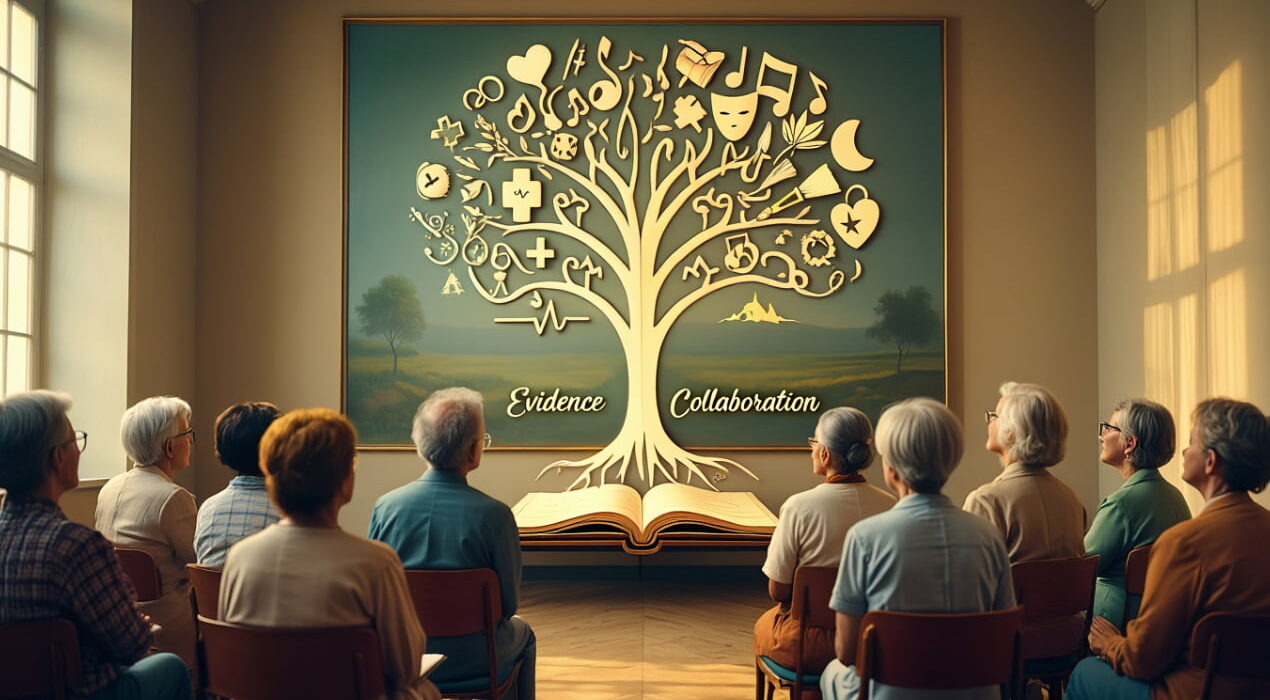
It is far more than occasional museum visits. Integrating arts and culture into health is an evidence-based, interdisciplinary field. It moves beyond purely clinical models while remaining rigorously scientific.
Concrete examples are already well-documented. Dance classes help people living with Parkinson’s disease. Music therapy supports those with dementia. Joining a choir improves lung health. Museum programmes address loneliness and build social cohesion.
These are not soft interventions. They are recognized public health tools. They expand the range of options available to address complex health priorities.
Practical Learning Across Borders
Late in 2025, WHO/Europe ran intensive regional workshops. They brought together health professionals, artists, policymakers, and civil society. The sessions were led by practitioners from the Jameel Arts & Health Lab and Romania’s Cluj Culture Centre.
In Yerevan, Armenian and Georgian stakeholders met. They explored how creativity enhances mental health and psychosocial support. They examined ways to reduce stigma and strengthen community engagement.
In Chișinău, participants from Moldova and Ukraine gathered. They focused on health workforce resilience and service innovation. They discussed how arts can support a nation under extraordinary stress.
“The role of art is becoming more complex as mental health challenges spread across Ukrainian society,” said Veronika Skliarova, founder of Ukrainian NGO Art Dot. She urged stronger collaboration between government and civil society to make these partnerships sustainable.
From Fragmented Initiatives to Structured Systems
The challenge has always been scale and sustainability. Many arts-in-health projects exist, but they are often isolated. They depend on individual champions or short-term funding.
This initiative aims to change that. Countries are now mapping existing arts-in-health programmes and institutions. They are building capacity to design and implement interventions. They are strengthening governance, ethics, and monitoring frameworks.
Crucially, ministries of health and culture are learning to plan together. Coordinated funding can include arts in national health agendas. This improves access to quality care. It also addresses the emotional and social dimensions of health that biomedicine alone cannot reach.
What Comes Next
WHO/Europe is moving from workshops to implementation. The next phase includes piloting arts-in-health initiatives on the ground. Countries will develop monitoring and evaluation frameworks. Regional learning will continue through communities of practice.
This work aligns arts-in-health with national mental health strategies. It also connects to broader health system reforms. By harnessing creativity, WHO and the EU are building more resilient, people-centred systems.
They are proving that culture is not a luxury. It is a legitimate, cost-effective tool for health, dignity, and recovery.