WHO Approves First Infant Malaria Treatment for Babies Worldwide
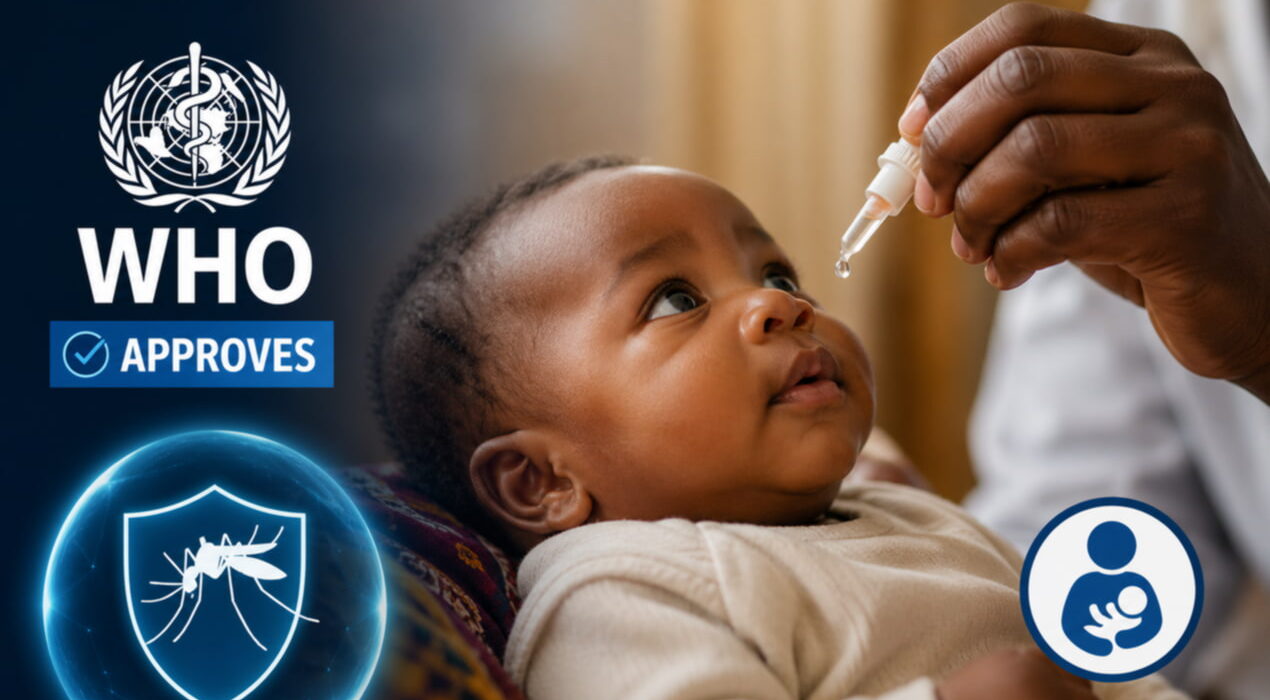
The World Health Organization has approved the first malaria treatment for babies. This milestone opens access to safer care for newborns across malaria-hit regions. Therefore, health systems expect better survival rates for infants at risk.
WHO Approval Breakthrough
Coartem Baby targets infants as small as two kilograms. Previously, doctors used child formulations that were not safe for newborns. However, dosing errors and side effects remained a major concern.
How Coartem Baby Works
The medicine combines artemether and lumefantrine to fight malaria parasites. It dissolves easily in liquids like breast milk, making it suitable for infants. This design helps caregivers give accurate doses without stress.
Impact in Africa
In Africa, malaria affects up to eighteen percent of infants under six months. As a result, hospitals now report improved confidence in treating newborn cases. Ghana has already introduced the treatment with positive early outcomes. Experts believe this step could significantly reduce malaria deaths in children.
Dr Tedros Adhanom Ghebreyesus called the approval a major public health milestone. He said the fight against malaria is finally shifting in a positive direction. Novartis will supply the drug on a not-for-profit basis in high-risk regions. Health agencies will also continue using vaccines, nets, and rapid tests. Together, these tools can strengthen prevention and reduce transmission rates. Doctors in Ghana reported early success when treating baby patients with Coartem Baby. This progress shows how research can directly improve survival in vulnerable infants. It also highlights the need for continued investment in child health systems. With better access, families may now feel more hopeful during treatment. Therefore, global cooperation remains essential to eliminate malaria in future generations. Experts encourage continued awareness, prevention, and early diagnosis to protect children everywhere. Overall, the approval brings renewed hope for safer beginnings for newborns. It marks progress in global health care today