Yellow Fever Resurges as Amazon Urbanization Expands, Study Warns
Yellow fever is making a worrying comeback. Scientists link this rise to expanding cities in the Amazon. Researchers from University of California, Santa Barbara led the study. They found that human activity increases disease risks near forests.
Why Yellow Fever Is a Serious Threat
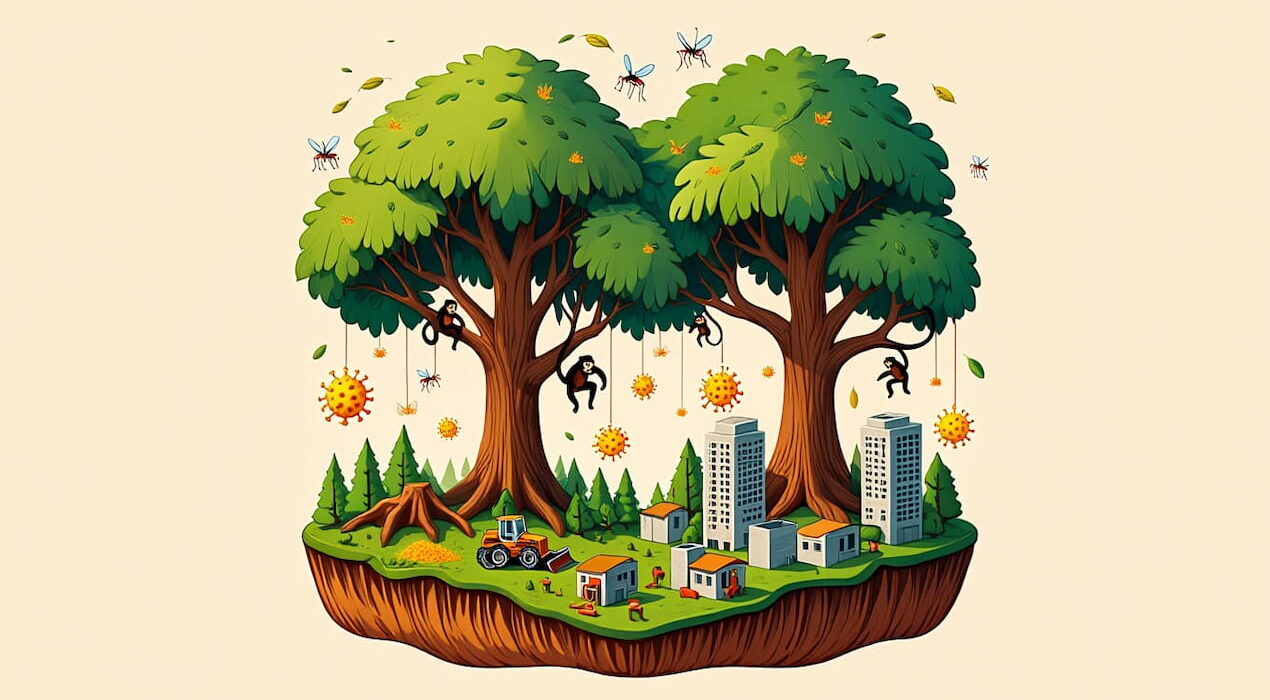
Yellow fever spreads through infected mosquitoes. It can cause fever, bleeding, and organ failure. In severe cases, it can be fatal. Therefore, controlling its spread is critical for public health. Cities are expanding into forest areas. As a result, humans come closer to disease carrying mosquitoes. This increases contact between people and wildlife. Therefore, the risk of infection rises. Researchers found a clear pattern. Areas with more forest urban contact had higher infection rates.
Key Findings From the Study
The team studied data from Brazil, Peru, and Colombia. They analyzed human cases and land use changes. A small increase in forest urban overlap had a big impact. For example, a 10% rise increased spillover events sharply. In addition, this boundary is growing fast. It expands by about 13% each year in some regions.
Scientists expected ecological factors to dominate. However, human proximity to forests mattered more. People living near forest edges face higher exposure. Mosquitoes thrive in these transition zones. According to Kacie Ring, human movement drives the trend. This shifts how diseases spread.
A Disease Once Under Control
In the past, yellow fever declined in South America. Vaccination and mosquito control reduced its spread. However, these efforts are now weakening. As a result, cases are rising again. Recent data shows a sharp increase. Infections have spread beyond the Amazon region.
Experts warn of possible urban outbreaks. This could allow faster human-to-human transmission. Vaccine supplies remain limited. Therefore, sudden outbreaks could strain health systems. In conclusion, this research highlights a growing risk. Managing urban growth and protecting ecosystems may help reduce future outbreaks.