Your Heart Has a Memory: How Emotions Shape Heart Health
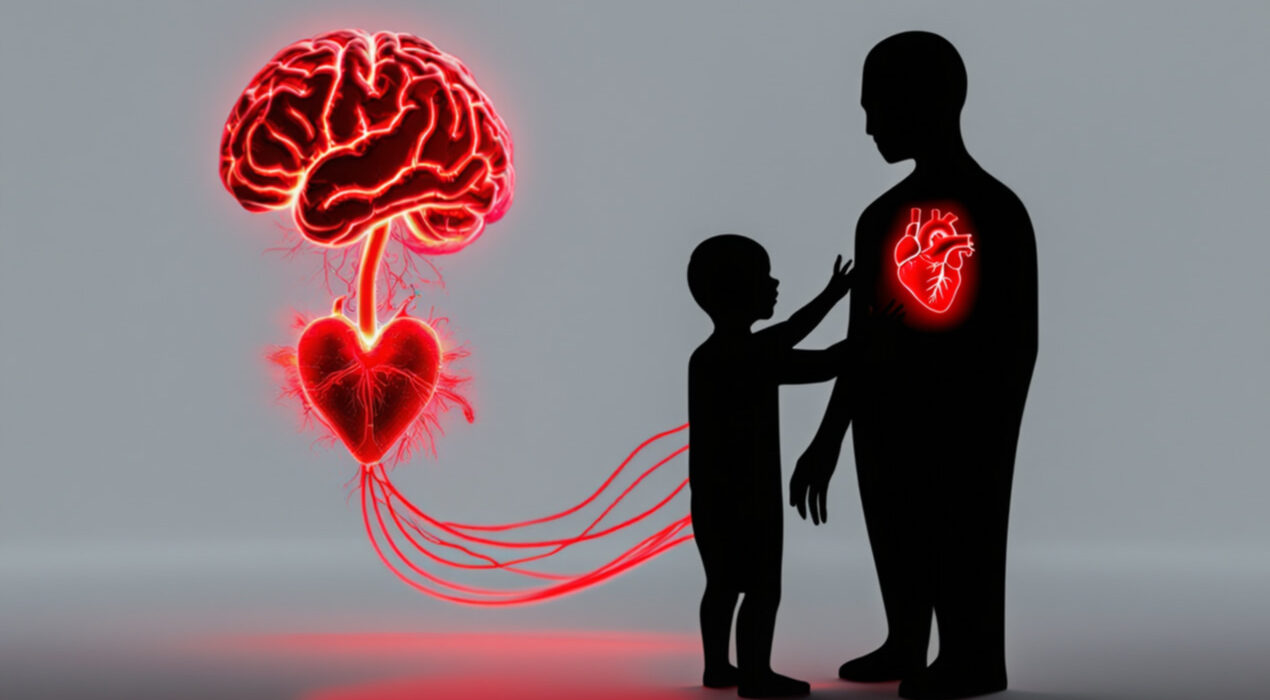
Did you know your heart can remember emotions? Scientists have found that the heart has its own “brain,” a network of neurons and neurotransmitters. This system allows it to process information and store emotional memories. Therefore, when you experience heartbreak or joy, your heart actually feels and remembers it.
The Science Behind the Heart’s Memory
This amazing link, known as the heart-brain connection, shows how emotions affect your physical health. For example, memories of grief or trauma can cause your heart rate and rhythm to change. As a result, emotional pain can feel like a physical ache. Your heart and brain communicate constantly, shaping your mood, stress levels, and even daily decisions.
In addition, research suggests that your heart sends more signals to your brain than the other way around. This two-way communication helps explain why gut feelings or intuition often come from the heart. When you feel anxious or stressed, your heart responds immediately. However, caring for your emotional well-being can restore balance and strengthen heart function.
Healing Through Heart Awareness
Understanding that your heart holds emotional memory reminds us to treat it with care. Mindful breathing, meditation, and gentle exercise can help heal emotional wounds. These practices calm the nervous system and support healthy heart rhythms. In addition, expressing gratitude and spending time in nature can lower stress and improve heart health.
Your heart is more than a pump—it’s a wise, feeling organ. Listening to it can guide you toward emotional peace and physical wellness. Therefore, nurture your heart with kindness, and it will remember love more than pain.