Youth Cancer Pakistan: Tobacco Use Triggers Child Cancer Risk
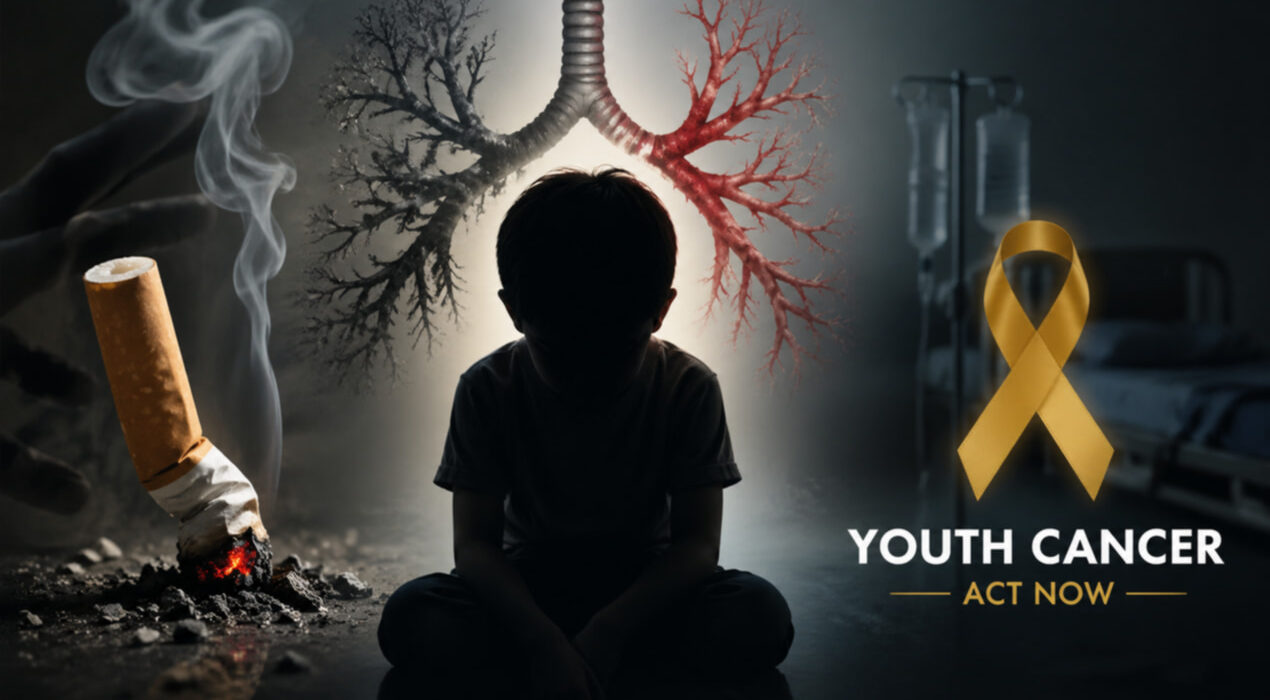
Karachi reports a shocking case as a 10-year-old child develops esophageal cancer, highlighting the growing youth cancer Pakistan crisis. Doctors link this rise to early tobacco use among adolescents. This trend now demands urgent attention.
Health experts warn that gutka, paan, chalia, cigarettes, and naswar are widely used by young people. As a result, harmful exposure begins at an early age. These products contain toxic chemicals that damage the body.
The Growing Risk Among Youth
Doctors say esophageal cancer often shows late symptoms. Therefore, early detection becomes difficult. Common warning signs include difficulty swallowing, throat discomfort, and sudden weight loss.
However, many families ignore these symptoms or try home remedies. This delay can worsen outcomes and reduce survival chances. Experts strongly advise seeking medical help quickly.
Awareness Efforts And Medical Response
In addition, leading institutions have started awareness campaigns. Dow University and Civil Hospital Karachi recently held an awareness walk and seminar. Participants highlighted the dangers of tobacco use among youth.
Doctors also shared progress in treatment. Advanced laparoscopic and robotic surgeries are now available in select centers. These services improve outcomes when cancer is detected early.
Need For Strong Action
Experts stress that awareness alone is not enough. Therefore, strict laws must control tobacco sales. Easy access continues to put children at risk. Parents and teachers must guide young people toward healthy choices. Open conversations can reduce harmful habits. Communities should also support prevention programs.
This youth cancer Pakistan crisis is a serious national concern. Without action, cases may rise further. Early detection and prevention remain key to saving lives. Government agencies must work with health experts to expand education campaigns nationwide. In addition, the media can spread clear messages about risks and prevention. Together, these steps can protect future generations from preventable disease and suffering ahead for all children.