40 Life-Saving Medicines Await Approval in Pakistan
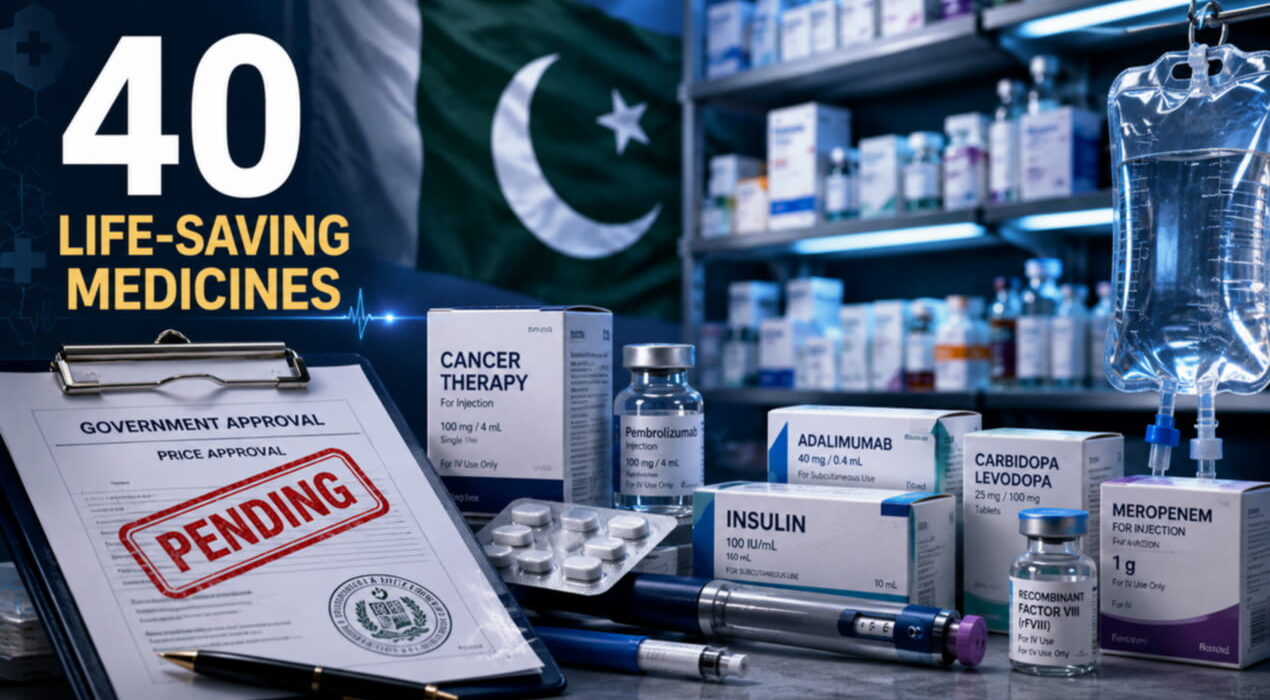
Around 40 medicines remain unavailable despite completing the regulatory process. The life-saving medicines approval is still pending with the federal government. As a result, patients continue to face treatment delays for serious diseases.
Approval Delay Affects Patient Care
The pending medicines treat cancer, diabetes, haemophilia, Parkinson’s disease, autoimmune disorders, and severe infections. DRAP has already confirmed their quality, safety, and effectiveness. However, companies cannot sell them until the government approves their prices.
Meanwhile, doctors say the delay has created a serious healthcare challenge. Many patients cannot find these medicines through licensed pharmacies. Therefore, some people turn to expensive or unregulated products that may not meet safety standards.
The Pakistan Medical Association (PMA) says repeated appeals have not resolved the issue. According to the association, delayed treatment may worsen health conditions and increase risks for vulnerable patients.
Doctors Call for Immediate Government Action
Healthcare experts warn that treatment interruptions can reduce the success of cancer therapies and diabetes management. In addition, transplant patients and people with rare diseases depend on timely access to these medicines.
The Pakistan Pharmaceutical Manufacturers Association also urged the government to speed up the approval process. Industry representatives said the medicines are ready for supply once prices receive official notification.
Federal Health Minister Syed Mustafa Kamal acknowledged the problem. He said authorities are working to secure approval for the remaining medicines as quickly as possible.
Faster Approvals Could Save Lives
Medical experts believe quicker decisions would improve patient care and reduce dependence on informal markets. Moreover, timely approvals would strengthen confidence in Pakistan’s healthcare system.
The PMA has urged the government to approve the remaining medicines, allow emergency imports where needed, and improve future regulatory procedures. Ultimately, faster life-saving medicines approval could help thousands of patients receive safe and effective treatment without unnecessary delays.