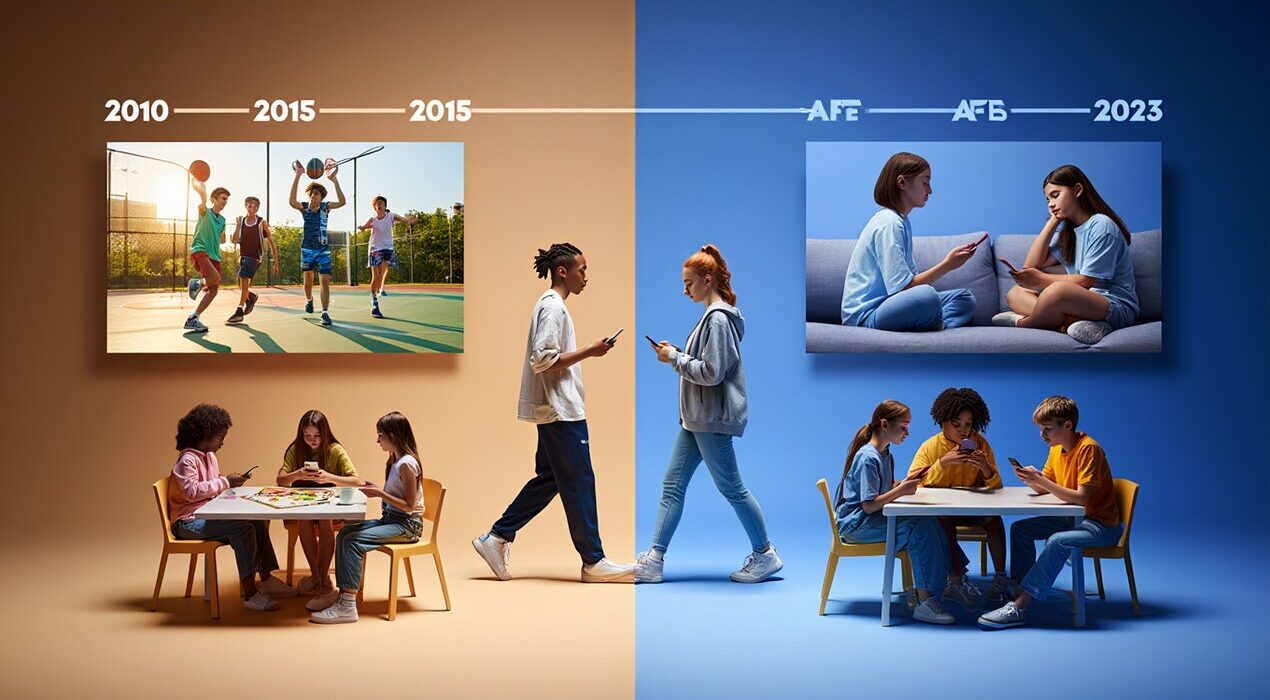
Social Media Inattentiveness: New Study Links Teen Attention Issues to Online Use
A new study offers fresh insight into social media inattentiveness among teenagers. It follows more than 8,000 young people from age ten to 14. The researchers examined how different digital habits influence attention over time.
What the Study Found
The team looked at three types of digital use: gaming, watching videos and social media. They included popular apps such as Instagram, TikTok, Snapchat, Facebook and X. Their analysis showed a clear pattern. Social media use gradually increased inattentiveness. However, gaming and video watching did not create the same effect.
The results held steady after considering income levels and genetic risks. In addition, the study found no evidence that inattentive teens turned to social media more. Instead, social media use predicted later attention challenges.
Why Social Media Stands Out
Social platforms make constant distractions easy. Notifications, messages and endless scrolling interrupt focus. Even thinking about incoming messages can break concentration. Over months or years, these habits may reshape attention. Gaming works differently. It usually occurs in shorter sessions and demands steady focus on one task.
The overall effect was not huge for one individual. However, small increases across an entire population can shift many teens toward diagnosable attention problems. Teenagers now spend around five hours per day on social media. Therefore, these changes may help explain the rise in attention-related diagnoses over the past 15 years.
What Happens Next?
Some argue increased diagnoses reflect better awareness. Others believe social media plays a major role. As a result, countries are exploring stricter age limits. Australia now requires platforms to verify users are at least 16. Many will watch closely to see whether similar rules appear worldwide.