Pakistan Education Crisis Deepens as Funding Drops and Millions Stay Out of School
Pakistan faces a growing Pakistan education crisis as funding continues to decline. Recent data shows spending has fallen to about 0.8% of GDP. As a result, the country struggles to meet global education standards.
Declining Investment Raises Concerns
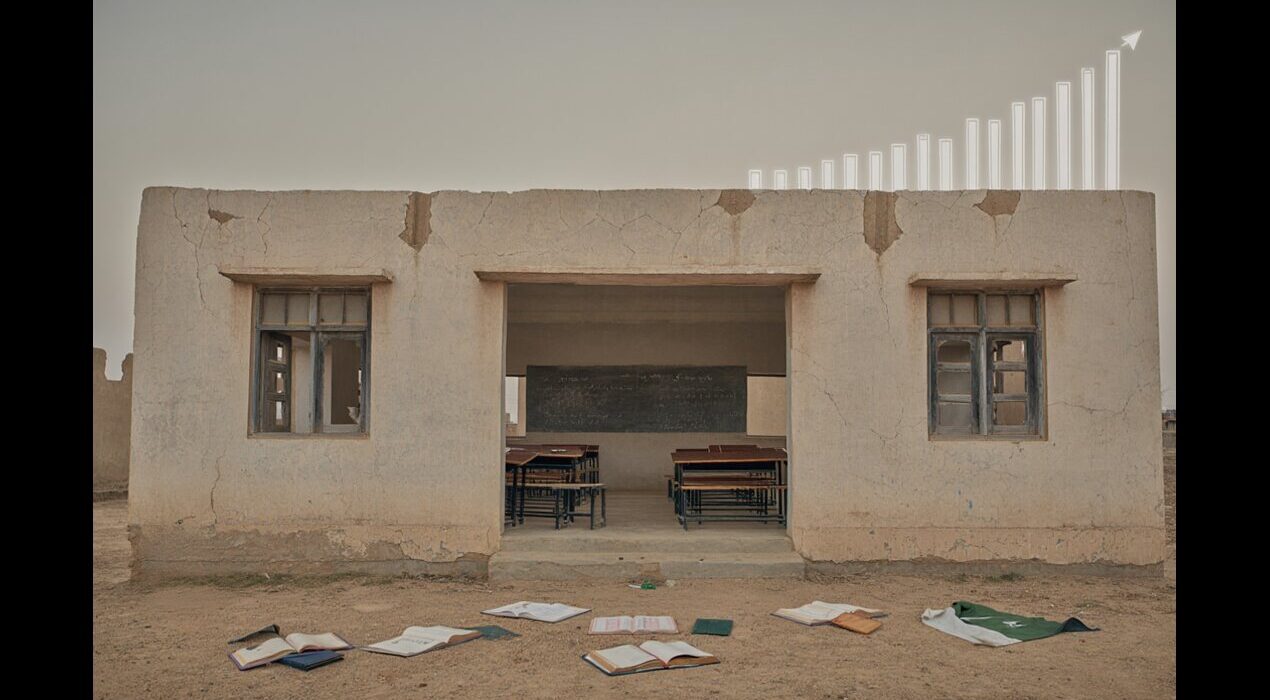
Experts warn that low funding affects the entire system. Schools lack basic facilities, trained teachers, and learning materials. Therefore, students across many regions face serious challenges in accessing quality education.
In addition, the gap between urban and rural areas keeps widening. Many families in remote regions cannot send their children to school. For example, limited infrastructure and transport create daily barriers for students.
Reports also reveal that around 38% of children remain out of school. This figure highlights the scale of the problem. As a result, millions of young people miss out on essential learning opportunities.
Urgent Need for Education Reforms
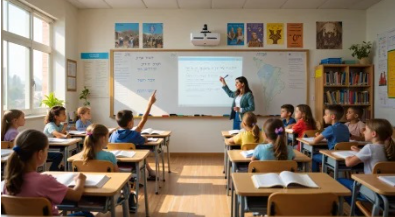
Education experts stress the need for immediate reforms. They say better funding can improve facilities and teacher training. Moreover, targeted policies can help reduce inequality across regions.
The system also needs stronger accountability and monitoring. Without proper oversight, resources may not reach those who need them most. Therefore, authorities must act quickly to ensure fair distribution.
In addition, inclusive policies can support children from all backgrounds. This approach can help increase enrolment and reduce dropout rates. For example, community-based programs can encourage families to prioritise education.
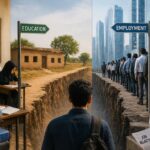
Overall, the situation demands urgent attention from policymakers and stakeholders. Improving education will strengthen future workforce skills and economic growth. As a result, investing in education today will benefit the entire nation tomorrow.