Sindh Revises Vice Chancellor Appointment Rules
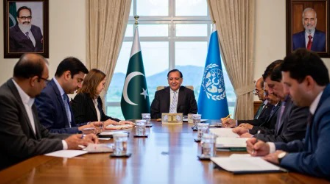
The Sindh VC criteria for university appointments have changed after the provincial cabinet approved new amendments during a meeting chaired by Chief Minister Syed Murad Ali Shah. The government increased the maximum age limit for vice chancellor candidates from 62 to 65 years. Officials said the changes will modernize the appointment process and allow more experienced professionals to apply for leadership positions in universities across Sindh.
New Experience and Publication Requirements
The Sindh cabinet also revised the experience requirements for candidates applying for vice chancellor positions. Under the updated rules, applicants must now have 20 years of professional experience instead of 15 years. In addition, candidates must publish at least 10 research papers in Higher Education Commission-recognized journals.
Officials believe the new requirements will improve academic standards and strengthen leadership in universities. Moreover, the revised rules aim to attract experienced education professionals from different sectors.
The development follows earlier amendments passed by the Sindh Assembly. Those changes allowed serving and retired bureaucrats to apply for vice chancellor positions at general universities across the province.
New Rules Approved for Education Boards
During the same meeting, the cabinet approved the Recruitment Rules and Service Regulations 2026 for all seven Boards of Intermediate and Secondary Education in Sindh. The government introduced a standardized search and selection committee process for key appointments.
Under the new policy, positions such as chairman, secretary, controller of examinations, and audit officer will follow updated recruitment procedures. Officials also fixed the age limit for chairmen between 40 and 55 years.
Candidates applying for chairman positions must hold a first division Master’s degree and have at least 15 years of senior management experience. Education officials say these reforms will improve transparency and strengthen governance within educational institutions across Sindh.