Afghan Refugee Children Face Education Crisis in Pakistan
Thousands of Afghan refugee children in Pakistan continue to face serious barriers to education. Many families lost identity documents while fleeing Afghanistan and entering Pakistan. As a result, children cannot enroll in public schools without registration papers or identity cards. Education experts warn that the growing refugee education crisis could leave an entire generation without proper learning opportunities.
According to Pakistan’s National Commission for Child Rights, only 28 percent of school-age refugee children currently attend public schools or educational centers supported by the United Nations High Commissioner for Refugees. Officials said strict documentation requirements have excluded thousands of Afghan children from formal education. Consequently, many families now depend on informal community learning programs to educate their children.
Community Centers Support Young Learners
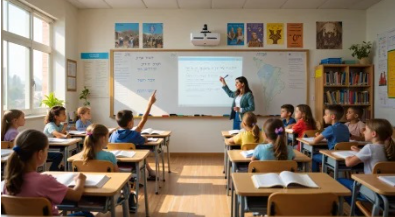
In Rawalpindi, two Afghan teachers established the “Tafal Home Learning Circle” to help refugee children continue their studies. The center uses donated books and online learning materials to teach students. In addition, volunteers provide lessons in reading, writing, mathematics, and English language skills.
Families in areas like Mohammadi Chowk also organize informal classes in mosques and small community spaces. These programs operate with limited resources and free internet access. However, community members continue supporting the initiatives to prevent children from falling behind academically.
Meanwhile, an educated young Afghan teacher conducts classes in rented rooms for refugee students. He also teaches Afghan cultural studies alongside basic education subjects. Educational activists said these efforts help reduce learning gaps, but financial challenges continue affecting operations.
Experts Call for Long-Term Solutions
Education specialists said the lack of stable funding threatens the future of these informal learning centers. Moreover, certificates issued by these programs are not officially recognized in Pakistan’s formal education system. Therefore, students face difficulties when trying to return to regular schools.
Experts have urged authorities to ease identity documentation rules for refugee children. They also recommended recognizing community-based learning centers and developing long-term education programs for refugees. Officials believe these measures can help protect every child’s right to education.