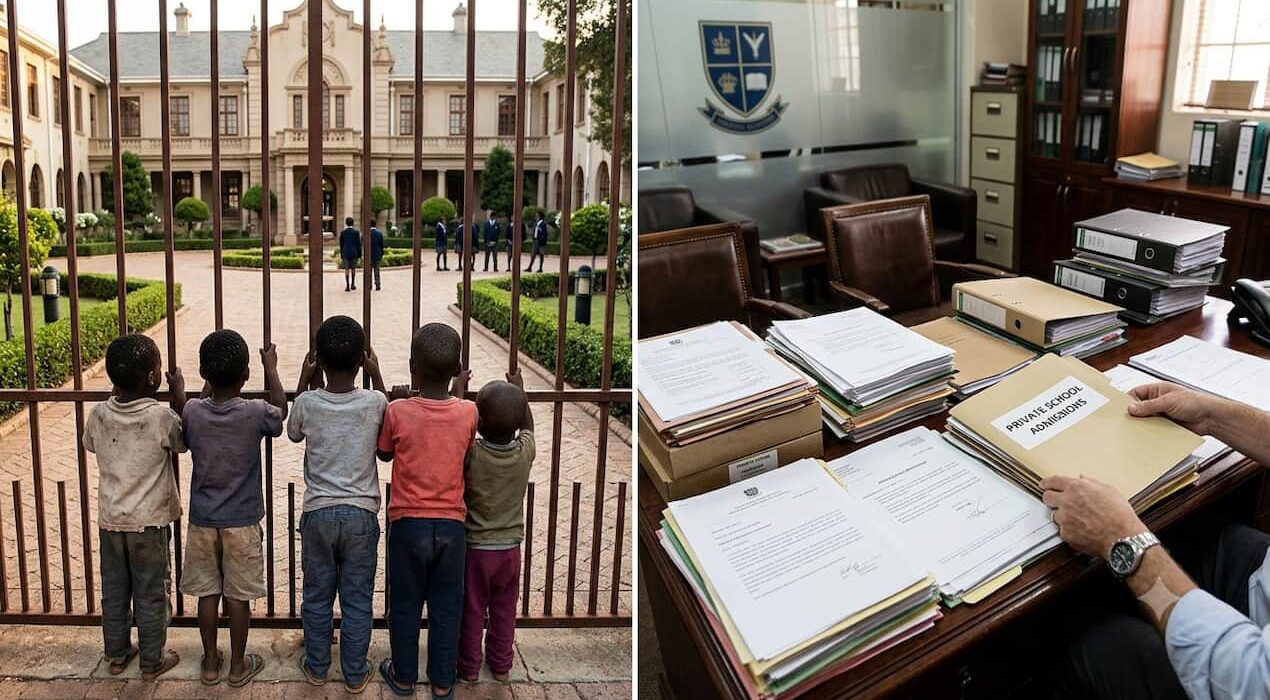
Private Schools Ignore Free Education Law for Poor Students
Education remains one of the strongest drivers of national progress. However, Pakistan continues to struggle with low literacy and millions of out-of-school children. Despite laws that guarantee free education for disadvantaged students, many private schools continue to ignore their legal responsibility.
Pakistan’s literacy rate stands at just 62.3%. Around 26.2 million children between the ages of five and 16 remain out of school. Meanwhile, private educational institutions continue to expand across the country. Many families pay high fees, yet schools often focus more on profit than social responsibility.
Schools continue to ignore legal obligations
The private schools law requires institutions to reserve at least 10% of their seats for underprivileged students. Under the Right to Free and Compulsory Education Act, 2012, those students must receive education without paying fees. In Punjab, the Free and Compulsory Education Act, 2024, strengthens the requirement by making every class reserve 10% of its seats.
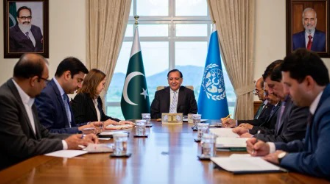
Recently, the Senate Standing Committee on Federal Education raised concerns over poor compliance. Lawmakers noted that many private schools earn billions of rupees every year. However, only a small number reportedly provide free education under the legal quota. As a result, many deserving children continue to miss educational opportunities.
Strong enforcement is now essential
This is not the first time authorities have warned private schools. Officials also issued notices in 2023 and threatened legal action. However, many institutions ignored the directives, while enforcement remained weak.
The government must now move beyond warnings and ensure full compliance with the law. At the same time, private schools should recognize that education is both a legal duty and a social responsibility. Strong enforcement will help more children enter classrooms and reduce educational inequality. Without meaningful action, Pakistan risks denying another generation the basic right to quality education and limiting the country’s future development.