PM Shehbaz Orders More Jobs for Young Pakistanis Under Youth Policy
Prime Minister Shehbaz Sharif has ordered coordinated steps to expand jobs under the Youth employment policy. He placed special focus on women and young people in Balochistan and Khyber Pakhtunkhwa.
Government Targets More Job Opportunities
Shehbaz issued the directive during a policy review meeting in Islamabad on August 18. He said the government will review progress every month. The prime minister called decent employment a major government priority. He also stressed the need for better coordination among ministries and public institutions.
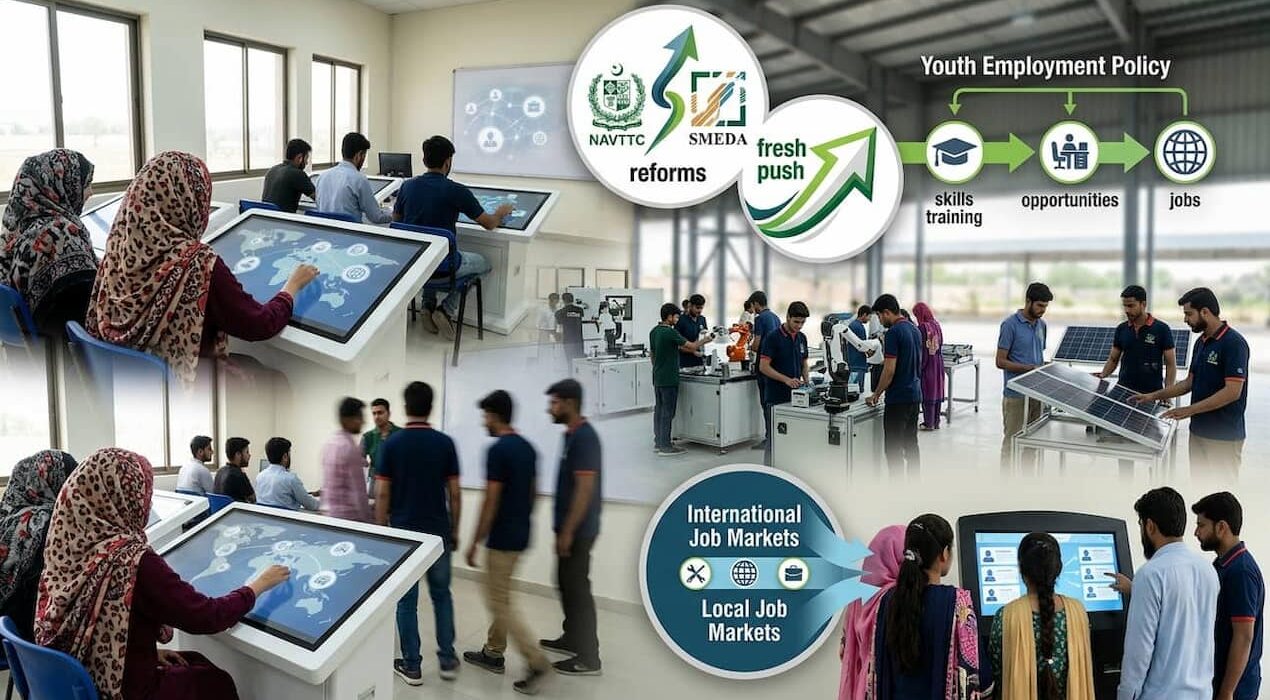
According to officials, the government wants to prepare young people for emerging careers. Special attention will go towards women and workers seeking new skills. The government has also introduced registration reforms at NAVTTC and SMEDA. These changes aim to connect skilled workers with local and international job markets.
NAVTTC is focusing on international certifications and language training. Officials say these programs can improve opportunities for Pakistanis seeking jobs abroad. Training courses will also follow market demand. Therefore, young people can develop skills that employers actually need.
Digital Platforms to Support Youth
The government is using the Digital Youth Hub as a central information platform. Young people can find details about employment opportunities in Pakistan and overseas. In addition, Youth Development Cells will operate in educational institutions. These centers will provide career guidance and information about jobs and skills.
Shehbaz also ordered an awareness campaign about benefits available under the policy. The campaign will help young people understand available employment and training options. The government said ministries and relevant institutions are working together. Their goal is to create practical measures that can improve youth employment. The prime minister stressed that skilled young people can support Pakistan’s economic growth. As a result, better training and job access remain important national priorities.