How Generative AI Is Redefining Learning and Knowledge in Education
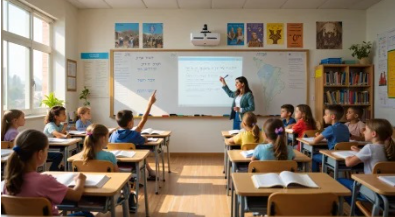
Generative AI tools like ChatGPT, Gemini, and Claude are now part of classrooms worldwide. Both students and teachers use them daily for learning, teaching, and creating content.
A recent report by Anthropic found that 39% of student interactions with Claude involve creating or improving educational content, such as essays, quizzes, and study notes. Another 34% focus on solving technical or academic problems.
Most schools respond by addressing plagiarism, exam design, and job fears. They are also teaching AI literacy to help students understand how these tools work. However, the real impact of AI goes far deeper — it’s reshaping how we think about knowledge itself.
The Changing Nature of Knowledge
Generative AI doesn’t just support learning; it changes it. These systems create, combine, and explain information in ways that challenge traditional education models. As a result, students are beginning to trust AI explanations more than their own reasoning.
This shift raises new questions about what counts as original thought. When AI generates ideas instantly, critical thinking and source evaluation need to be redefined. Education, once built on human-to-human learning, now faces a new reality — co-creation with machines.
Balancing Learning and Dependence
AI can empower students or encourage shortcuts. When used wisely, it deepens understanding. But when it replaces thinking, it weakens learning. Therefore, educators must lead the transformation, not technology companies.
This is not just a digital revolution — it’s an intellectual one. Education must remain guided by human wisdom, ensuring AI enhances curiosity rather than replaces it.