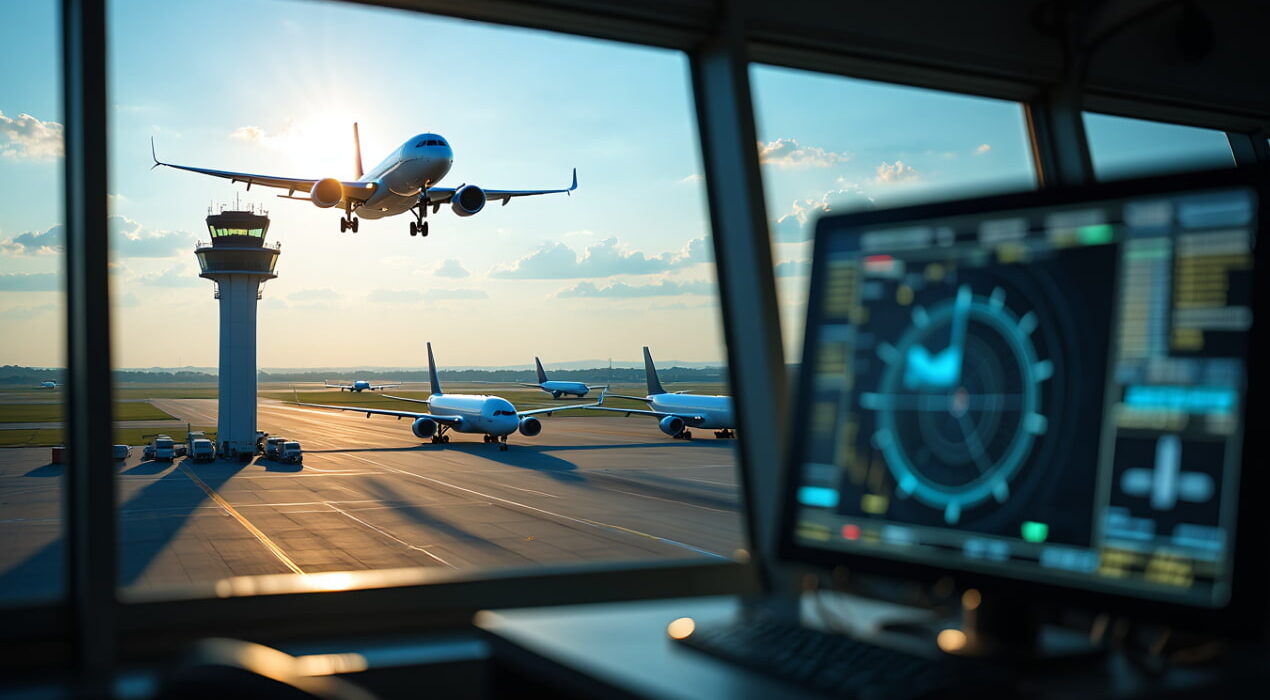
Air Travel Safety Reaches New Heights in 2026
Air travel remains the safest mode of transportation. Safety standards improve year after year. Therefore, passenger confidence continues to grow.
Nearly five billion passengers will travel by air in 2026. The industry’s commitment to safety is essential. Consequently, travelers enjoy greater peace of mind.
Remarkable Progress Over Two Decades
Aviation safety has seen dramatic improvement. In 2005, one accident occurred for every 268,000 flights. Today, that rate is one accident per 760,000 flights.
This progress reflects advanced aircraft technology. Improved operational procedures also play a key role. Therefore, flying is now safer than ever.
The Safety Paradox
Success has introduced a unique challenge. As accidents become rarer, learning opportunities decrease. Accident investigations have historically driven safety improvements.
Today, the industry relies on data analysis and predictive systems. Airlines monitor flight operations and maintenance records in real time. Consequently, potential risks are identified before they become problems.
Faster Investigations, Better Outcomes
Not all accident investigations are completed within recommended timelines. Renewed efforts are improving collaboration and transparency. Therefore, lessons learned are applied more quickly.
Centralized safety databases are being developed. They bring together recommendations from past investigations. This allows authorities to analyze trends more effectively.
New guidelines and simplified processes are being introduced. Countries can conduct investigations more efficiently. Consequently, safety remains a top priority globally.
What This Means for Travelers
Every safety improvement enhances the travel experience. Smoother flights and better emergency preparedness follow. Therefore, passengers can focus on enjoying their journeys.
Safer skies also support tourism in emerging destinations. More regions align with global safety standards. This opens new opportunities for exploration and cultural exchange.
In conclusion, the goal is simple. Make flying safer with every journey. For millions of travelers, this means greater confidence and more travel opportunities.