Punjab Targets Religious Tourism Boom with Investment Roadmap
Punjab is targeting a religious tourism boom. The province unveiled a six-point investment roadmap at Expo 2026. Therefore, Sufi shrines and heritage sites will see major upgrades.
Secretary Dr Ehsan Bhutta spoke at a panel discussion. The event was titled “Religious Tourism Circuits of Punjab.” It highlighted investment, connectivity, and cultural capital.
A Rich Spiritual Landscape
Punjab has one of South Asia’s richest spiritual landscapes. Famous shrines include Data Darbar and Baba Farid Ganjshakar. Shah Rukn-e-Alam and Bahauddin Zakariya also draw millions.
Other key sites are Madho Lal Hussain and Mian Mir. Bibi Pak Daman and Sakhi Sarwar complete the list. Consequently, millions of devotees visit every year.
Urs celebrations and Mela Chiraghan attract pilgrims from Pakistan and abroad. Diaspora communities from the UK, Canada, Gulf countries, and India also come. However, the sector has yet to become a structured economic ecosystem.
Structural Gaps and Challenges
Major shrines see over seven million visitors annually. Most pilgrims make short visits with limited spending. The reason is a lack of organised facilities.
Key gaps include a shortage of quality accommodation. Pakpattan and South Punjab need more hotels. Weak last-mile connectivity and limited transport infrastructure are also problems.
Absence of integrated Sufi tourism circuits hurts growth. Curated cultural experiences like guided heritage tours are missing. Therefore, investment is urgently needed.
Six-Point Investment Roadmap
Dr Bhutta proposed a comprehensive plan. First, develop heritage hotels and dharamshalas in Pakpattan, Multan, and DG Khan. Use public-private partnerships for this.
Second, introduce an organised Sufi circuit transport network. It will link Lahore, Pakpattan, Multan, and DG Khan. Third, create a structured festival economy around major Urs events. This includes managed cultural bazaars and food courts.
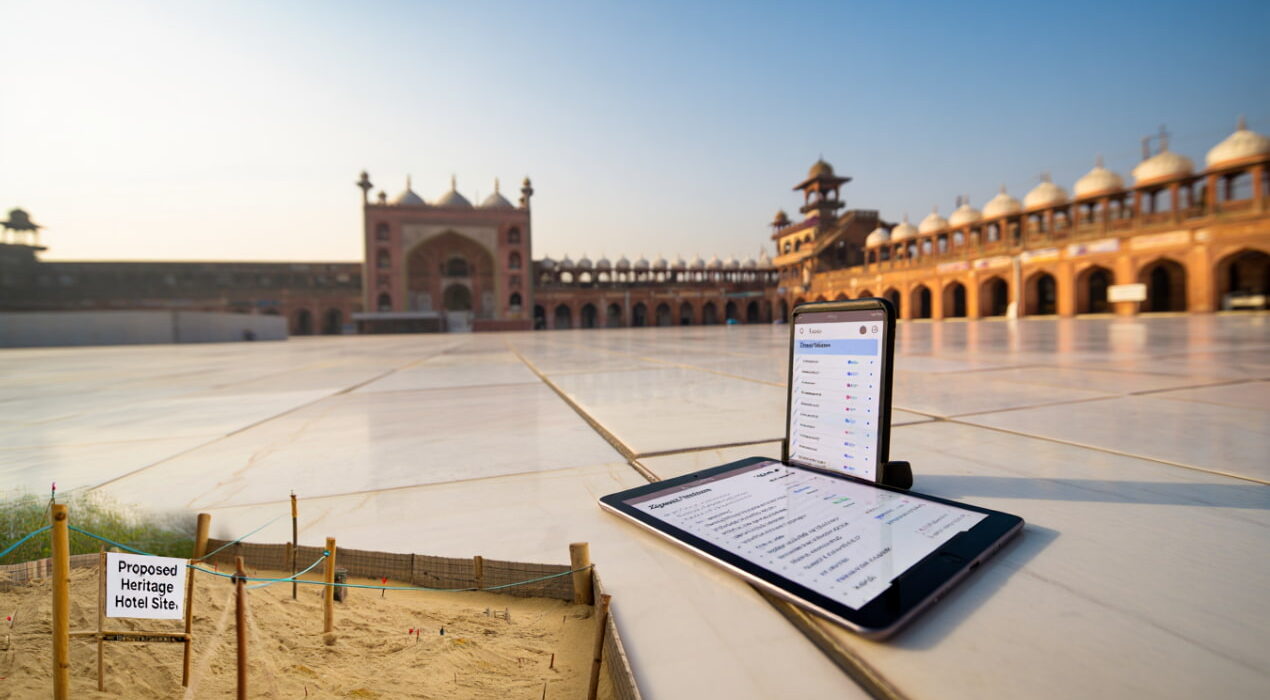
Fourth, launch a digital Ziyarat platform. It will offer online services and live streaming of Urs events. Guided audio tours and booking facilities will also be included.
Fifth, establish Sufi wellness retreats near shrine zones. These will attract international and diaspora visitors. Sixth, introduce a certification and branding system for shrine-linked crafts and tabarruk products. This will support local artisans.
Investment Potential and Next Steps
The sector has strong investment potential. Consistent year-round demand exists due to weekly gatherings and multiple Urs events. Government incentives under the Punjab Tourism Policy 2023 enhance attractiveness.
The implementation strategy includes launching a three-city circuit. It will connect Lahore, Pakpattan, and Multan. An 80-room pilot hotel in Pakpattan on Auqaf land is planned under a lease model.
A unified digital application for bookings and event calendars will be introduced. Coordinated facilitation through TDCP, Auqaf, and the Punjab Investment Board will follow.
In conclusion, Punjab’s shrines are powerful spiritual centres. Structured packaging and modern service delivery will transform them into economic destinations.