Blood Pressure Limits: New Study Supports Lower Target Under 120
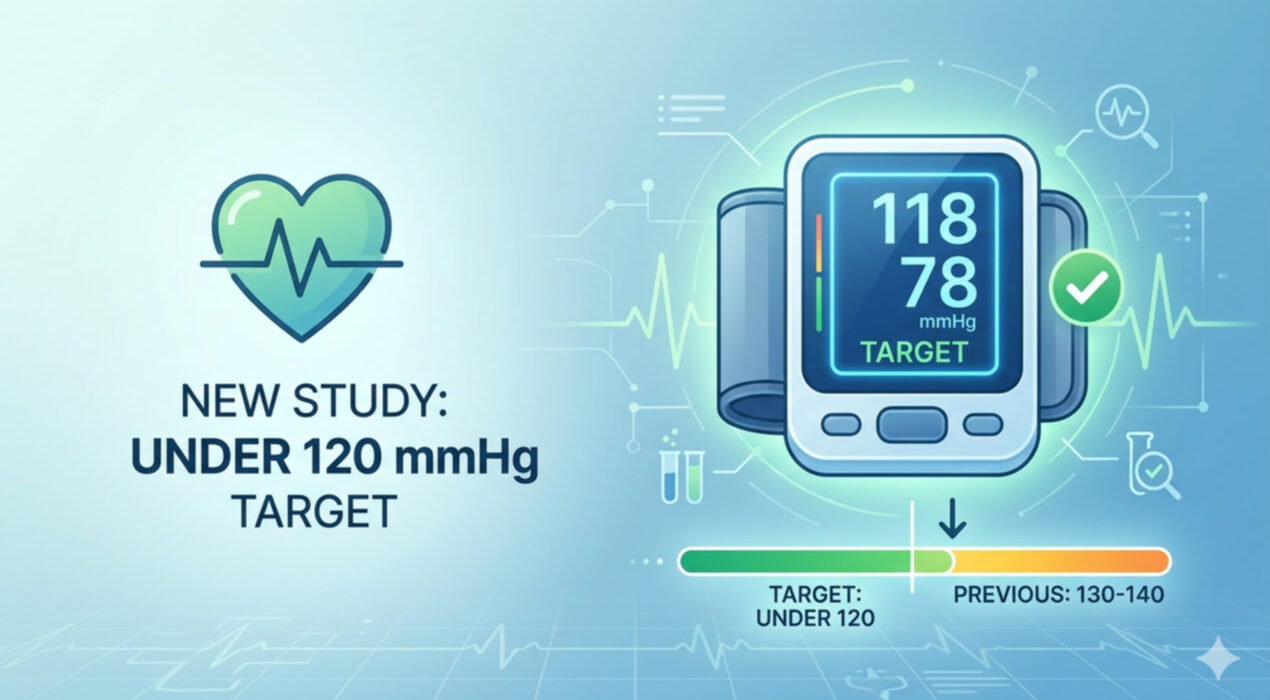
Blood pressure limits are getting fresh attention after new research. Scientists say a stricter target may protect heart health better. This includes aiming below 120 mm Hg for some people.
Researchers from Mass General Brigham led the study. They published their findings in Annals of Internal Medicine. The results suggest stronger control could prevent serious conditions.
Stricter Targets Show Clear Benefits
The team studied data from SPRINT trial and NHANES. They compared targets below 120, 130, and 140 mm Hg. Then, they modeled long-term health outcomes.
Lower targets reduced heart attacks and strokes. In addition, they lowered the risk of heart failure. As a result, patients could gain longer and healthier lives.
However, researchers also included real-world measurement errors. These errors often happen in daily clinical practice. Even then, the benefits remained strong.
Risks and Costs Still Matter
Despite the gains, stricter control has downsides. Patients may face side effects from medication. For example, risks include falls, kidney injury, and low blood pressure.
In addition, healthcare costs may rise. More doctor visits and medicines increase spending. However, the study found the lower target still cost-effective.
Experts estimate about $42,000 per quality-adjusted life-year. This value fits within accepted healthcare standards. Therefore, the approach remains practical for many systems.
Experts Urge Personalized Decisions
Lead researcher Karen Smith supports careful use of stricter targets. She says the benefits apply mainly at a population level. However, not every patient will respond the same way.
Doctors should assess each person’s condition closely. In addition, patient preferences should guide treatment choices. This ensures safer and more effective care.
Overall, blood pressure limits depend on balance. Lower targets can help, but risks must be managed. Therefore, regular monitoring and expert advice remain essential.