AI Melanoma Risk: Study Flags High-Risk Groups Early
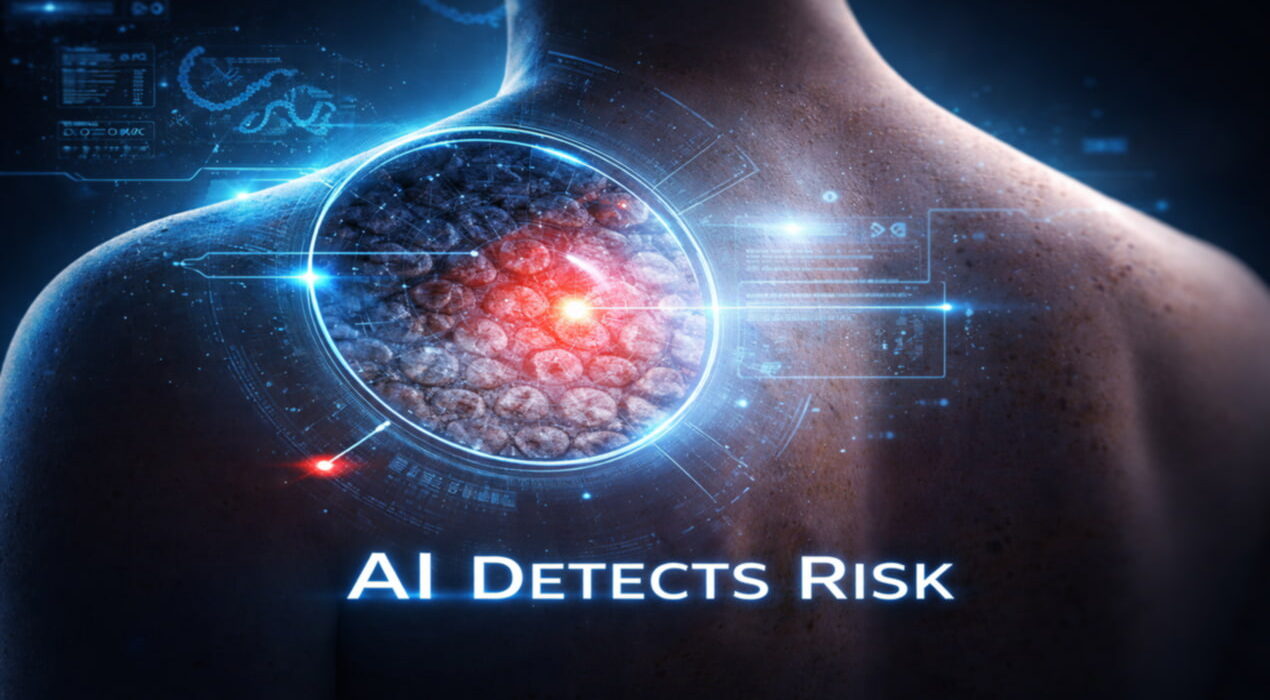
AI melanoma risk research is changing how doctors detect skin cancer early. Scientists at the University of Gothenburg in Sweden used artificial intelligence to study health data. They identified small groups with a higher chance of developing melanoma within five years.
How AI Identifies Risk
Researchers analysed data from around six million adults living in Sweden between 2005 and 2014. They included details like medication use, diagnoses, and lifestyle factors. As a result, AI models found patterns that go beyond age and gender.
The most advanced system correctly identified future melanoma cases in about 73 percent of people. In comparison, basic models using only age and gender reached about 64 percent. Therefore, adding more health data improves accuracy significantly.
Why Early Detection Matters
Melanoma often develops due to ultraviolet exposure from sunlight or sunbeds. However, it can spread quickly if not treated early. Early detection increases survival chances and improves treatment outcomes.
In the European Union, melanoma made up about four percent of new cancer cases in 2020. It also caused 1.3 percent of cancer-related deaths. As a result, experts stress the need for better screening tools.
Future of AI in Healthcare
AI melanoma risk tools may help doctors focus on high-risk groups. For example, clinics could invite patients for screening through digital alerts or mail. This targeted approach can improve monitoring and save resources.
Researchers believe AI will support more personalized healthcare strategies. However, they also note that more studies and policy steps are needed. In addition, healthcare systems must ensure safe and fair use of data before wide adoption.