New Enzyme Could Make Ozempic-Like Drugs Stronger and Longer-Lasting
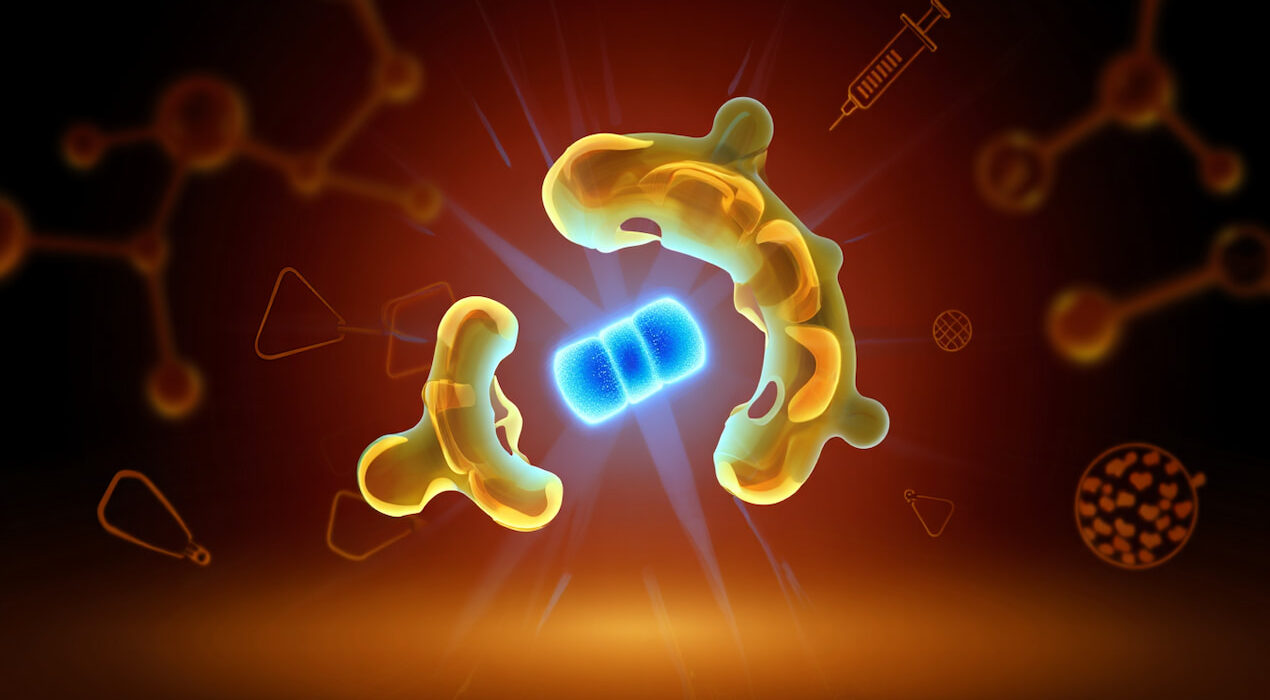
Researchers at the University of Utah made an exciting discovery. They identified an enzyme called PapB. This enzyme can tie therapeutic peptides into compact rings. Scientists call this process macrocyclization. Why does this matter? Peptide drugs are often fragile. For example, the body breaks them down quickly. However, ring-shaped peptides are much more stable. As a result, they last longer in the body.
How PapB Improves Weight Loss Medications
GLP-1 drugs like Ozempic and Wegovy help treat diabetes and obesity. The active ingredient is semaglutide. PapB can modify these drugs late in development. Therefore, it could make them work even better. Traditional chemical methods for closing peptide rings are costly. They are also difficult to use. In contrast, PapB offers a simple alternative. It forms a sulfur‑carbon bond without needing extra “leader” sequences. “We were surprised by how flexible the enzyme turned out to be,” says graduate student Jake Pedigo. The team tested PapB on three GLP‑1‑like peptides. In every case, the enzyme successfully formed a ring.
A Flexible Tool for Future Drugs
This enzyme hides the peptide from common proteases. Proteases are the body’s protein cutters. By hiding the ends, PapB extends the drug’s half‑life. That means patients might need fewer doses.Co‑author Karsten Eastman explains: “What we’re adding is a clean, late‑stage enzymatic step.” This step makes the molecules work even harder. The discovery could lead to next‑generation weight loss drugs that are more stable and more effective.