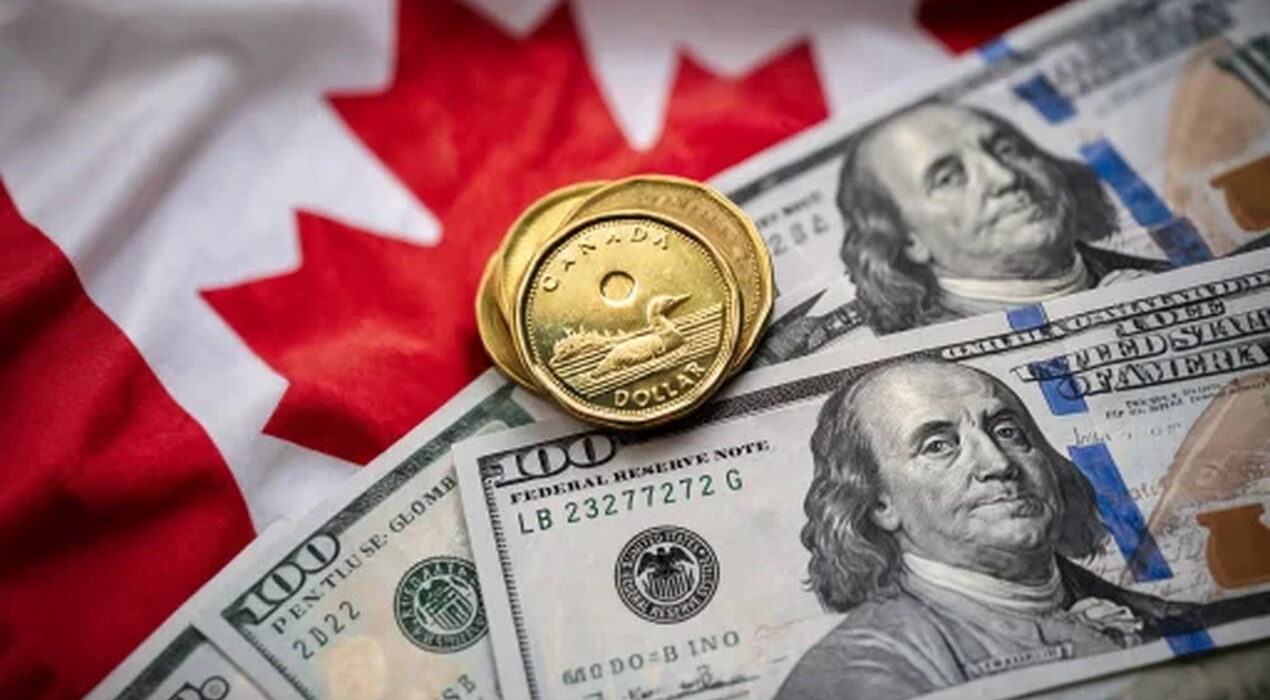
Canadian Dollar Drops as Canada US Trade War Escalates
The Canada US trade war intensified after talks broke down over the weekend. As a result, the Canadian dollar fell on Monday morning. Markets reacted quickly to the growing tension between Ottawa and Washington. However, both sides failed to reach common ground. Therefore, investors now expect higher costs for many imported goods. This shift has raised concerns across businesses and households.
New Tariffs Hit Key Goods
On Saturday, the United States imposed a 50% tariff on about $20 billion in Canadian imports. These measures target a wide range of products. For example, dairy, wine, and wood products face higher costs. In addition, ceramics and other goods are now part of the tariff list. Canada is the second-largest trading partner of the U.S. after Mexico. As a result, these tariffs could disrupt supply chains on both sides.
Market Reaction and Currency Impact
The Canadian dollar weakened soon after the announcement. Investors moved cautiously as uncertainty grew. Consequently, the currency faced strong downward pressure. Meanwhile, businesses worry about rising expenses. Higher tariffs often lead to increased prices for consumers. Therefore, many companies may pass these costs to buyers. In addition, exporters could face reduced demand. This situation may slow economic growth in the coming months. However, policymakers are still exploring possible responses.
What Comes Next
Both countries now stand at a critical point. If tensions rise further, the Canada US trade war could deepen. As a result, global markets may also feel the impact. Leaders may return to negotiations soon. However, no clear timeline exists yet. Therefore, uncertainty continues to shape market behavior. For now, businesses and investors remain alert. They are watching for any signs of progress. In the meantime, the weaker Canadian dollar reflects growing concerns about trade stability.