Climate Models May Miss Rapid North Pacific Storm Shift
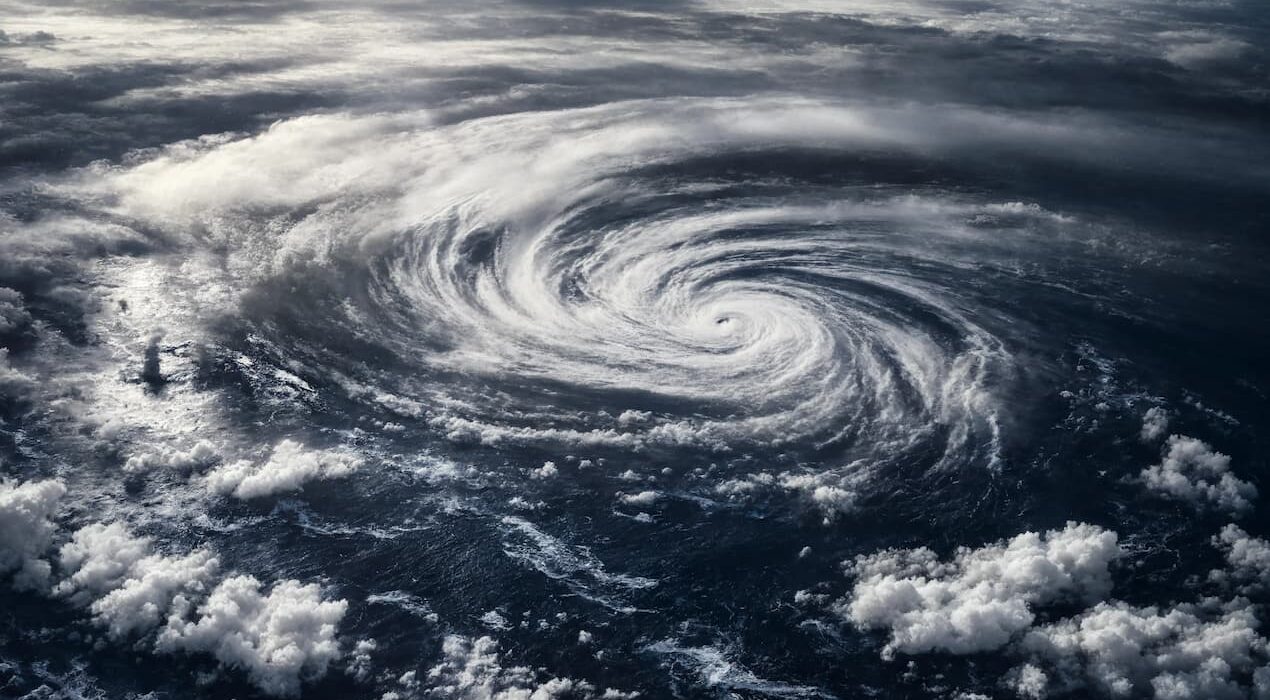
Scientists have discovered that the North Pacific storm shift is happening faster than expected. The finding suggests current climate models may underestimate future climate changes across western North America. Researchers from the Weizmann Institute of Science found that winter storm tracks are moving closer to the Arctic. As a result, Alaska receives more heat and moisture, while the southwestern United States becomes hotter and drier.
The Storm Shift Matters
Winter storms move heat and moisture from warmer regions toward the North Pole. These weather systems help regulate temperatures and rainfall across North America.The research team used decades of sea-level pressure records to study the changing storm paths. This long-term data allowed them to separate natural climate changes from human-driven warming.Their analysis showed that the northward movement is not part of normal climate variation. Instead, it is a clear consequence of climate change.Because of this shift, Alaska continues to experience rapid glacier melting. Meanwhile, California and Nevada face increasing heat, drought, and higher wildfire risk.
Climate Models May Underestimate Future Impacts
The study also found that many climate models fail to capture the speed of this storm track movement. Therefore, future climate impacts across western North America could be more severe than current projections suggest. Scientists warn that storm tracks strongly influence where rain, heat, and drought occur. Even small changes in their position can affect water supplies, ecosystems, agriculture, and wildfire conditions.
The researchers believe improving climate models is essential for better planning and adaptation. More accurate forecasts could help governments and communities prepare for stronger climate-related challenges in the coming decades.