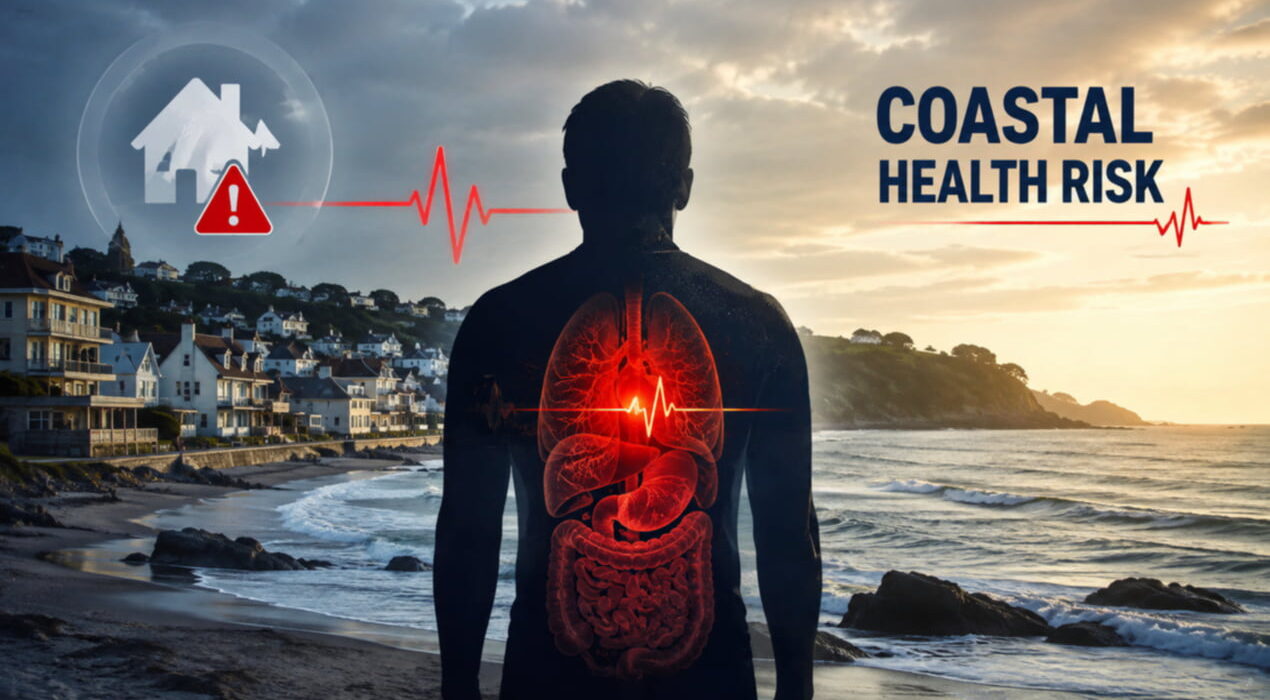
Coastal Health Study: Living by the Sea May Raise Chronic Illness Risk
A Coastal Health Study has challenged the popular belief that living by the sea always improves health. Researchers found that adults living in some coastal communities faced a higher risk of developing several long-term illnesses. However, the findings suggest that social and economic conditions, rather than the coastline itself, explain the difference. The study highlights the need to address poverty and unequal opportunities in many seaside areas.
Adult Health Risks Become Clear
Researchers followed nearly 28,400 people in England and Wales from birth into middle age. They found no strong link between living near the coast during teenage years and developing multiple chronic conditions later. However, the picture changed in adulthood. People who stayed in coastal communities or moved there were more likely to experience several long-term health problems. Experts believe economic hardship plays a major role. In addition, healthier and wealthier residents often leave these areas for better opportunities. As a result, communities with fewer resources may carry a greater burden of illness.
Professor Stephen Jivraj explained that poor health is not caused by coastal living alone. Instead, deprivation and migration patterns appear to shape health outcomes. Therefore, improving local conditions could make a meaningful difference.
Not Every Coastal Community Is the Same
Researchers also stressed that coastal communities differ greatly. For example, a fishing town may face different challenges than a tourist destination or a former industrial port. The study could not fully measure those local differences or how long each participant lived near the coast. Even so, the findings provide valuable insight into public health.
Why Investment Matters
The research team urged governments to invest in healthcare, education, transport, employment, and public health services across deprived coastal regions. Better opportunities could reduce health inequalities and improve quality of life. Therefore, future policies should focus on supporting vulnerable communities instead of assuming every seaside location offers the same health benefits