Digital Learning Expands Opportunities but Education Gaps Remain in Pakistan
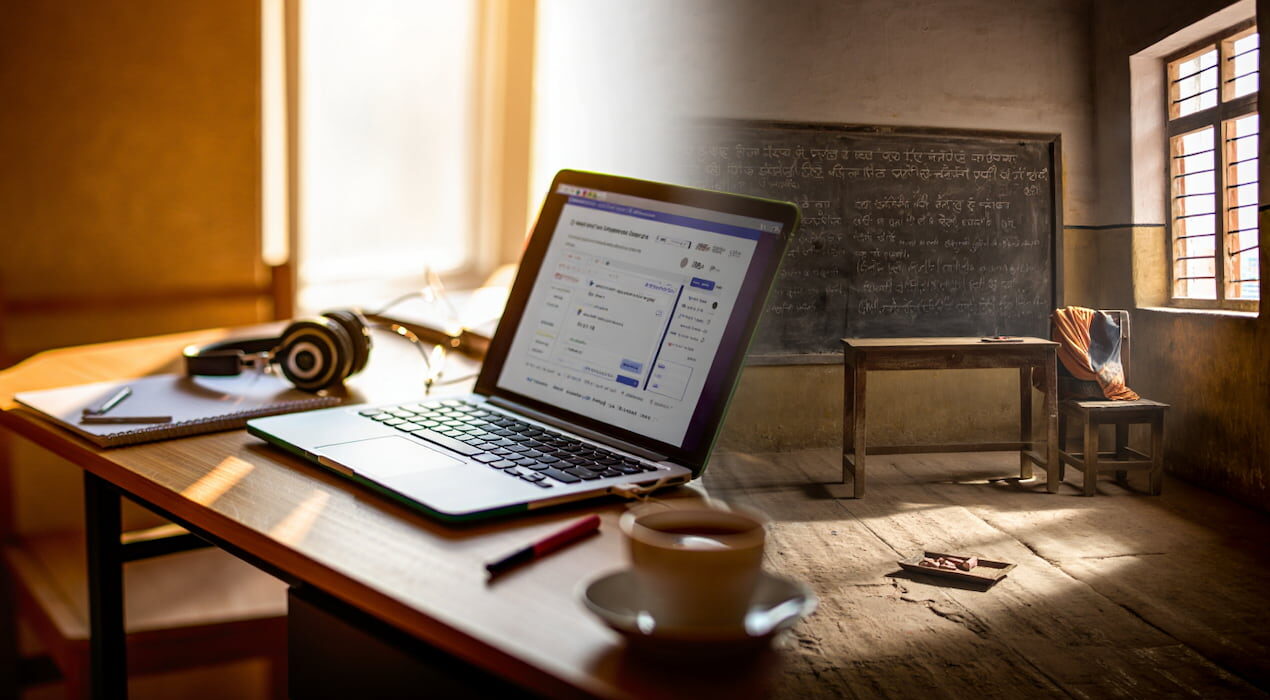
Access to education in Pakistan is changing rapidly as technology reshapes learning opportunities across the country. Digital learning Pakistan initiatives now allow students and professionals to study beyond traditional classrooms. Virtual courses, online platforms, and flexible learning systems are helping more people continue education despite financial or social barriers.
However, millions still struggle to access quality education because of poverty, weak infrastructure, and limited internet connectivity. Rural communities often face the biggest challenges due to poor digital access and lack of devices. At the same time, women and girls continue to face social restrictions that make education more difficult. Therefore, experts believe technology can only create lasting change when institutions combine it with inclusive policies and equal access.
Technology Creates New Learning Opportunities
Educational institutions are now shifting toward flexible and skills-based learning models. Many universities and organizations have started offering self-paced courses and remote learning programmes to meet modern workforce demands.
As a result, students can now gain professional skills without attending traditional campuses full-time. In addition, micro credentials and short certification courses are becoming more popular among young professionals.
Initiatives like Aga Khan University’s LEADS platform also reflect this growing trend. The platform offers low-bandwidth courses designed for learners with limited internet access. Therefore, it helps students continue learning despite technical and financial challenges.
Experts believe these models support lifelong learning and prepare people for changing job markets. They also create opportunities for learners who previously lacked access to formal education systems.
Women and Rural Communities Still Face Barriers
Despite technological progress, many barriers continue to affect education access in Pakistan. Rural communities still struggle with weak internet coverage and limited digital resources.
Women and girls often face additional challenges due to cultural pressures, safety concerns, and financial limitations. Consequently, many students leave education early or never enroll at all.
Education experts stress that improving women’s education can strengthen families, communities, and the national economy. Therefore, policymakers and institutions must work together to reduce inequality and improve access for everyone. The future of education in Pakistan will depend on creating systems that adapt to people’s needs rather than forcing people to fit rigid structures.