EU Fraud Crackdown: New Rules Make Social Platforms Liable for Online Scams
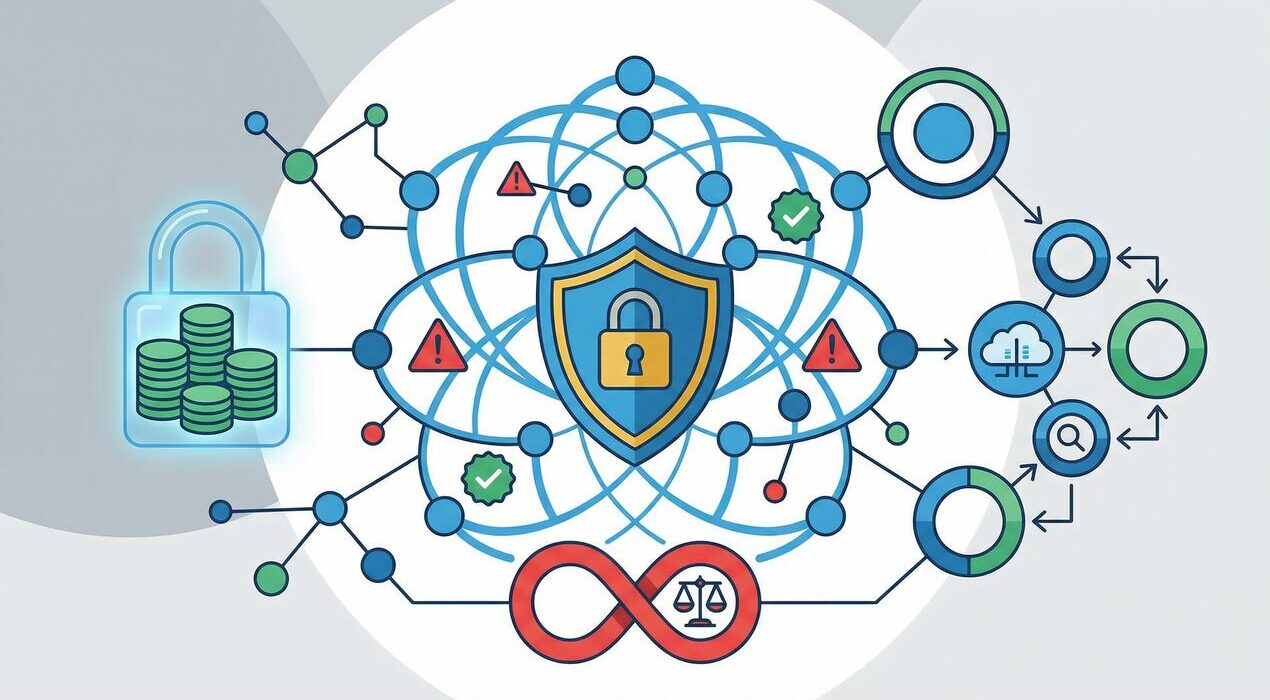
The EU fraud crackdown is reshaping how social media companies handle online scams. The European Union has introduced new rules that make platforms responsible when users lose money to fraud. This change aims to protect people who face rising scam attempts on apps like Meta, TikTok, and others.
EU lawmakers finalized the law after long negotiations. They wanted clear accountability for scams that begin on social platforms. As a result, companies must act faster when users report misleading ads or impersonation attempts. In addition, they must compensate banks when a scam happens because a platform failed to remove a flagged threat.
The new law builds on the Digital Services Act and the Digital Markets Act.
Both laws already push major tech companies to limit harmful content and stop unfair business practices. However, these earlier measures did not fully address the explosion of financial scams. The latest rules close that gap by placing more responsibility on tech companies.
Shared Responsibility and New Consumer Protections
Lawmakers debated who should cover the cost of fraud. Some argued that banks and platforms share the blame. Others insisted banks already follow strict security standards. The final compromise is simple. Banks must reimburse victims when someone pretends to be the bank or completes a transaction without permission. However, platforms must compensate banks when scams thrive because of poor content moderation.
Social media has become a major hub for investment scams, impersonation schemes, and fake ads. Therefore, officials believe this decision will reduce harm and push companies to improve safety tools. The EU says the goal is not to punish innovation. Instead, it wants a safer digital space for everyone.
The EU fraud crackdown marks a major shift in tech regulation. It sends a clear message: platforms must take real responsibility for the content they host.